

Introduction
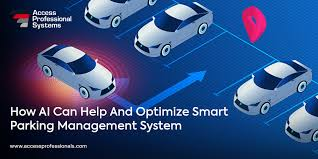
Smart parking management solutions are transforming the way cities, businesses, and institutions handle parking spaces. With rapid urbanization and increasing vehicle ownership, traditional parking systems are no longer efficient enough to meet modern demands. Drivers often waste time searching for parking, leading to traffic congestion, fuel wastage, and environmental pollution.
Smart parking systems leverage advanced technologies such as IoT (Internet of Things), sensors, artificial intelligence, and mobile applications to streamline parking operations. These solutions provide real-time information about available parking spaces, guide drivers efficiently, and optimize the use of existing infrastructure.
In today’s fast-paced world, smart parking management is not just a luxury but a necessity. It enhances user experience, reduces operational costs, and contributes to sustainable urban development. This article explores the concept, benefits, technologies, challenges, and future trends of smart parking management solutions in detail.
What Are Smart Parking Management Solutions?
Smart parking management solutions are technology-driven systems designed to monitor, manage, and optimize parking spaces efficiently. These systems collect real-time data about parking availability and provide actionable insights to both drivers and parking operators.
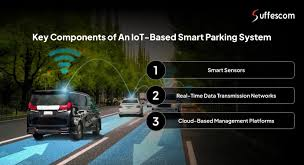
Unlike traditional parking systems, which rely heavily on manual processes, smart parking uses automation and digital tools. Sensors installed in parking spaces detect whether a spot is occupied or vacant. This data is then transmitted to a centralized platform, which updates users through mobile apps or digital displays.
These solutions can be implemented in various environments, including urban streets, shopping malls, airports, office buildings, and residential complexes. The goal is to reduce parking-related stress and improve overall traffic management.
Key Features of Smart Parking Systems
Smart parking solutions come with a range of features that make them highly efficient and user-friendly. One of the most important features is real-time parking availability. Drivers can check available spots through mobile apps before reaching their destination, saving time and effort.
Another key feature is automated payment systems. Users can pay for parking digitally using mobile wallets, credit cards, or integrated apps, eliminating the need for cash transactions.
Navigation assistance is also a significant advantage. Smart systems guide drivers directly to available parking spaces, reducing unnecessary driving around.
Additionally, data analytics plays a crucial role. Parking operators can analyze usage patterns, peak hours, and customer behavior to optimize pricing and space utilization.
Technologies Behind Smart Parking Solutions
Smart parking systems rely on a combination of advanced technologies. IoT sensors are the backbone of these systems. They detect the presence of vehicles and transmit data in real time.
Artificial intelligence enhances decision-making by analyzing data and predicting parking demand. For example, AI can forecast busy hours and suggest dynamic pricing strategies.
Cloud computing enables centralized data storage and management, making it easier to access and process large volumes of information.
Mobile applications provide a user-friendly interface for drivers to find, reserve, and pay for parking spaces. These apps also offer notifications and updates, ensuring a seamless experience.
Additionally, license plate recognition (LPR) technology is widely used for automated entry and exit. It enhances security and reduces the need for manual intervention.
Benefits of Smart Parking Management Solutions
Smart parking systems offer numerous benefits for both users and operators. One of the most significant advantages is time savings. Drivers no longer need to spend time searching for parking spaces, which improves overall convenience.
These systems also help reduce traffic congestion. By guiding drivers directly to available spots, unnecessary driving is minimized, leading to smoother traffic flow.
Environmental benefits are another key aspect. Reduced driving means lower fuel consumption and decreased carbon emissions, contributing to a greener environment.
For businesses, smart parking solutions improve operational efficiency. Automated systems reduce the need for manual labor, lowering operational costs.
Revenue generation is also enhanced through dynamic pricing and better space utilization. Operators can maximize profits by adjusting prices based on demand.
Applications of Smart Parking Systems
Smart parking solutions are widely used in various sectors. In urban areas, they help manage street parking and reduce congestion in busy city centers.
Shopping malls and commercial complexes use smart parking to enhance customer experience. Easy parking access encourages more visitors and increases sales.
Airports and transportation hubs benefit from efficient parking management, ensuring smooth operations even during peak hours.
Corporate offices use these systems to manage employee parking and improve productivity.
Residential complexes also adopt smart parking to ensure fair allocation of parking spaces and enhance security.
Challenges in Implementing Smart Parking Solutions
Despite their advantages, smart parking systems come with certain challenges. One of the main challenges is high initial investment. Installing sensors, software, and infrastructure can be costly.
Maintenance is another concern. Sensors and devices require regular maintenance to function effectively.
Data security is also a critical issue. Since these systems collect and store large amounts of data, ensuring its protection is essential.
Integration with existing infrastructure can be complex, especially in older cities with outdated systems.
User adoption is another challenge. Some users may find it difficult to adapt to new technologies, requiring awareness and training programs.
Future Trends in Smart Parking Management
The future of smart parking management looks promising, with continuous advancements in technology. One emerging trend is the integration of smart parking with smart city initiatives. Parking systems will become a part of a larger ecosystem, including traffic management and public transportation.
Autonomous vehicles are expected to play a significant role. These vehicles will require advanced parking systems that can communicate and coordinate automatically.
Blockchain technology may be used for secure and transparent transactions, enhancing trust and efficiency.
Artificial intelligence will continue to evolve, providing more accurate predictions and improving system performance.
Another trend is the use of renewable energy sources, such as solar-powered sensors, making smart parking systems more sustainable.
How to Choose the Right Smart Parking Solution
Selecting the right smart parking system depends on various factors. First, consider the size and type of the parking area. Different solutions are designed for different environments.
Budget is another important factor. Choose a system that offers the best value for money without compromising on quality.
Scalability is crucial. The system should be able to grow with your needs and accommodate future expansions.
Ease of use is also important. A user-friendly interface ensures better adoption and satisfaction.
Finally, consider the provider’s reputation and support services. Reliable customer support is essential for smooth operation.
Conclusion
Smart parking management solutions are revolutionizing the way parking is managed in modern cities. By leveraging advanced technologies, these systems offer efficient, convenient, and sustainable solutions to parking challenges.
They not only improve user experience but also contribute to better traffic management and environmental sustainability. While there are challenges in implementation, the long-term benefits far outweigh the initial costs.
As technology continues to evolve, smart parking systems will become even more advanced, playing a crucial role in the development of smart cities. Businesses, governments, and individuals should embrace these solutions to create a more efficient and sustainable future.
FAQs
What are smart parking management solutions?
Smart parking management solutions are technology-based systems that help monitor, manage, and optimize parking spaces using sensors, apps, and real-time data.
How do smart parking systems work?
They use sensors to detect available spaces and share real-time information with users through mobile apps or digital displays.
What are the benefits of smart parking solutions?
They save time, reduce traffic congestion, lower fuel consumption, improve efficiency, and enhance user convenience.
Are smart parking systems expensive to implement?
They may require a high initial investment, but they offer long-term cost savings and increased revenue.
Can smart parking systems be used in residential areas?
Yes, they are widely used in residential complexes to manage parking efficiently and improve security.
