

Introduction
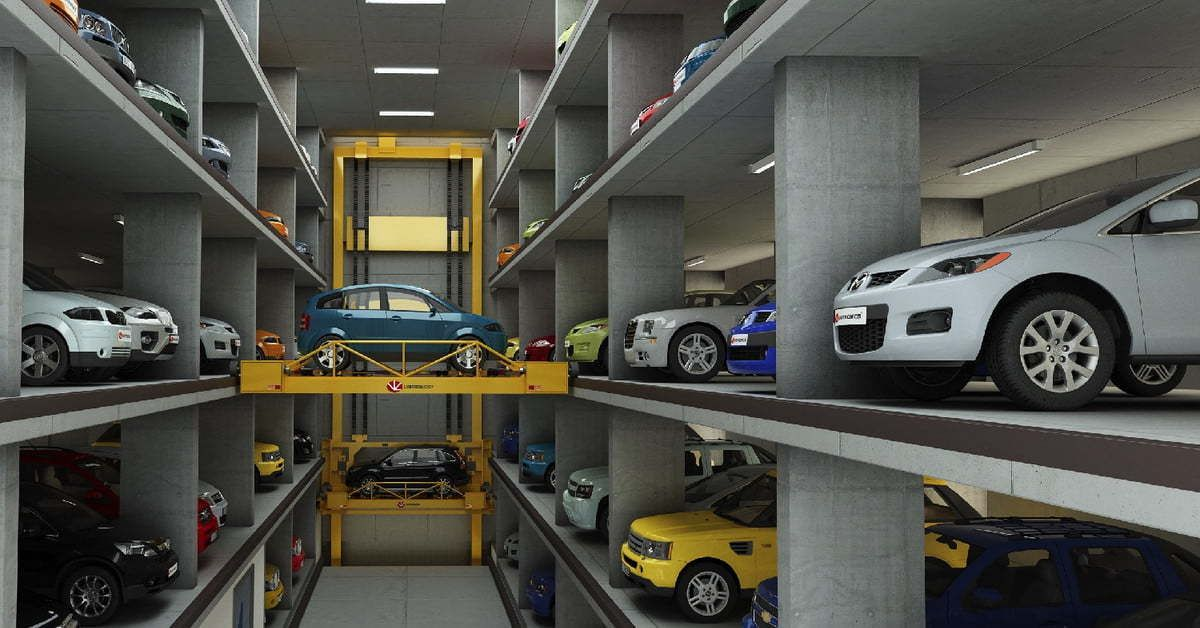
An automated parking system (APS) is a modern solution designed to optimize parking space and eliminate the need for human intervention in parking vehicles. As urban areas continue to grow and the number of vehicles increases, traditional parking methods are becoming inefficient and space-consuming. Automated parking systems provide a smart, technology-driven approach to solving these challenges.
These systems use advanced robotics, sensors, and software to park and retrieve vehicles automatically. Drivers simply leave their car at a designated entry point, and the system takes care of the rest. This not only saves time but also ensures better space utilization and enhanced safety.
In this article, we will explore the concept of automated parking systems, their types, benefits, working mechanisms, and their role in shaping the future of urban infrastructure.
What is an Automated Parking System?
An automated parking system is a structure that uses mechanical systems and computerized controls to park vehicles without human assistance. Unlike conventional parking lots, APS eliminates the need for ramps, wide driving lanes, and large spaces, making it highly efficient.
These systems are commonly found in high-density urban areas, commercial complexes, airports, and residential buildings where space is limited.
How Automated Parking Systems Work
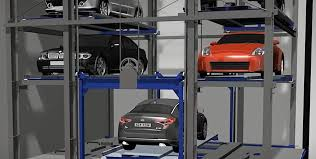
The process of using an automated parking system is simple and user-friendly:
- The driver enters the vehicle into a designated parking bay.
- The system scans the vehicle dimensions using sensors.
- The driver exits the vehicle and confirms the parking process.
- The system uses lifts, conveyors, or robotic platforms to move the car to an available parking slot.
- When the driver returns, the system retrieves the vehicle automatically.
This entire process is managed through intelligent software that ensures accuracy and efficiency.
Types of Automated Parking Systems
There are several types of automated parking systems, each designed to meet different needs and space requirements.
1. Tower Parking System
This system stores vehicles vertically in a tower-like structure. It is ideal for areas with limited land availability.
2. Puzzle Parking System
In this system, vehicles are moved horizontally and vertically like a puzzle. It is commonly used in residential and commercial buildings.
3. Shuttle Parking System
This system uses robotic shuttles to transport vehicles to designated parking spots quickly and efficiently.
4. Rotary Parking System
A circular system where cars rotate vertically, similar to a Ferris wheel. It is cost-effective and suitable for small spaces.
5. Fully Automated Parking System
This is the most advanced system, where the entire process is controlled by computers and robotics without any human involvement.
Benefits of Automated Parking Systems
1. Space Efficiency
Automated parking systems can save up to 60–70% of space compared to traditional parking. They eliminate the need for driving lanes and ramps.
2. Time Saving
Drivers do not need to search for parking spots, reducing time and frustration.
3. Enhanced Safety
Since there is minimal human involvement, the risk of accidents, theft, and vandalism is significantly reduced.
4. Environmental Benefits
These systems reduce fuel consumption and emissions because cars are not idling or circling for parking.
5. Cost Effectiveness
Although the initial installation cost is high, long-term savings in land and operational costs make APS a cost-effective solution.
Challenges of Automated Parking Systems
1. High Initial Investment
The setup cost of automated parking systems can be expensive.
2. Maintenance Requirements
Regular maintenance is necessary to ensure smooth operation of mechanical and electronic components.
3. Technical Failures
System malfunctions can cause delays or inconvenience to users.
4. Limited Awareness
Many people are still unfamiliar with automated parking systems, which can affect adoption rates.
Applications of Automated Parking Systems
Automated parking systems are widely used in:
- Shopping malls
- Airports
- Office buildings
- Residential complexes
- Hospitals
- Smart cities
These systems are especially beneficial in crowded urban areas where land is scarce and expensive.
Future of Automated Parking Systems
The future of automated parking systems looks promising as cities move toward smart infrastructure. Integration with technologies like Artificial Intelligence (AI), Internet of Things (IoT), and mobile applications will make these systems even more efficient and user-friendly.
In the coming years, we can expect features like:
- Mobile app-based vehicle retrieval
- Real-time parking availability updates
- Integration with electric vehicle charging stations
- Fully autonomous vehicle compatibility
Automated parking systems will play a key role in reducing traffic congestion and improving urban mobility.
Conclusion
Automated parking systems are transforming the way we think about parking. By combining advanced technology with smart design, these systems offer an efficient, safe, and sustainable solution to modern parking challenges.
As cities continue to grow and evolve, the adoption of automated parking systems will become increasingly important. They not only save space and time but also contribute to a cleaner and more organized urban environment.
FAQs
What is an automated parking system?
An automated parking system is a technology-driven solution that parks and retrieves vehicles automatically without human assistance.
How does an automated parking system work?
It uses sensors, robotics, and software to move vehicles from entry points to available parking spaces and retrieve them when needed.
What are the benefits of automated parking systems?
They save space, reduce time, enhance safety, and lower environmental impact.
Are automated parking systems safe?
Yes, they are designed with advanced safety features to prevent accidents, theft, and damage to vehicles.
Where are automated parking systems used?
They are commonly used in urban areas, commercial buildings, airports, and residential complexes.
