

Introduction
Parking space optimization has become a critical need in modern cities and commercial areas where vehicle numbers are increasing rapidly. Limited space, poor planning, and inefficient use of parking areas often lead to congestion, frustration, and wasted time. Businesses, residential complexes, and urban planners are now focusing on smarter ways to utilize available parking space effectively.
Optimizing parking space is not just about fitting more vehicles into a limited area; it involves intelligent design, technology integration, and efficient management systems. From automated parking systems to data-driven solutions, parking optimization helps improve traffic flow, enhance user experience, and increase revenue for businesses.
This article explores the concept of parking space optimization, its benefits, techniques, technologies, and future trends, providing a complete understanding of how to maximize parking efficiency.
What is Parking Space Optimization?
Parking space optimization refers to the process of designing, organizing, and managing parking areas to maximize their capacity and efficiency. It ensures that available space is used effectively while maintaining convenience and safety for users.
This concept involves strategic layout planning, the use of smart technologies, and real-time data monitoring. Whether it is a shopping mall, office building, or residential complex, optimized parking reduces chaos and improves overall operations.
By implementing proper optimization strategies, organizations can accommodate more vehicles without expanding physical space, making it a cost-effective solution.
Importance of Parking Space Optimization

As urbanization continues to grow, the demand for parking spaces is increasing. Without proper optimization, parking areas become overcrowded and inefficient.
Parking optimization plays a key role in reducing traffic congestion. When drivers struggle to find parking, they spend more time on the road, increasing fuel consumption and pollution. Efficient parking systems guide drivers directly to available spots, saving time and energy.
It also enhances customer satisfaction. In commercial spaces such as malls or offices, easy parking access improves the overall experience and encourages repeat visits.
Moreover, optimized parking contributes to better safety and organization, reducing the chances of accidents and confusion.
Key Benefits of Parking Space Optimization
One of the biggest advantages of parking optimization is improved space utilization. By redesigning layouts and using advanced systems, more vehicles can be accommodated in the same area.
Another benefit is time efficiency. Drivers can quickly locate available spots using smart parking systems, reducing frustration and delays.
Cost savings is also a major factor. Instead of investing in new parking infrastructure, businesses can optimize existing spaces to meet demand.
Additionally, parking optimization supports environmental sustainability. Reduced vehicle idling and searching time lead to lower carbon emissions, contributing to a greener environment.
Enhanced security is another benefit. Modern parking systems often include surveillance and monitoring features, ensuring the safety of vehicles and users.
Techniques for Parking Space Optimization
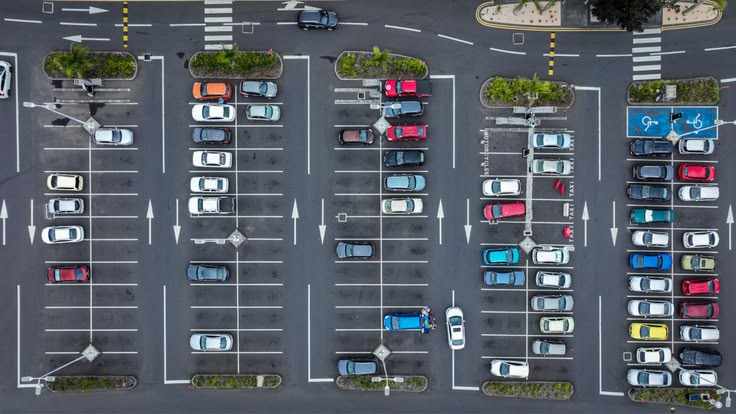
There are several practical techniques used to optimize parking spaces effectively. Proper parking layout design is one of the most fundamental methods. Angled parking, compact car spaces, and clearly marked zones can significantly improve space utilization.
Another technique is shared parking. Different businesses or facilities can share parking spaces based on varying peak hours, maximizing usage throughout the day.
Stack parking systems are also widely used in urban areas. These systems allow multiple vehicles to be parked vertically, increasing capacity without requiring additional land.
Time-based parking management is another useful strategy. By limiting parking duration in high-demand areas, more users can access the space efficiently.
Clear signage and navigation systems also play a crucial role in optimizing parking, helping drivers find spaces quickly and reducing confusion.
Role of Technology in Parking Optimization
Technology has revolutionized parking management in recent years. Smart parking systems use sensors, cameras, and software to monitor and manage parking spaces in real time.
Mobile applications allow users to check parking availability, reserve spots, and even make payments digitally. This reduces the need for manual intervention and enhances convenience.
Automated parking systems are another advanced solution. These systems use mechanical platforms to park and retrieve vehicles, maximizing space utilization and eliminating human error.
Data analytics also plays a significant role. By analyzing parking patterns and user behavior, organizations can make informed decisions to improve efficiency.
Integration with navigation systems further enhances the user experience by guiding drivers directly to available parking spots.
Parking Space Optimization in Urban Areas
Urban areas face the greatest challenges when it comes to parking. High population density and limited land availability make optimization essential.
Cities are adopting smart parking solutions to address these challenges. Real-time parking data, dynamic pricing, and automated systems help manage demand effectively.
Multi-level parking structures are also common in cities. These structures utilize vertical space, allowing more vehicles to be parked in a smaller footprint.
Public transportation integration is another approach. By encouraging people to use public transit and providing park-and-ride facilities, cities can reduce parking demand in congested areas.
Urban planners are also focusing on sustainable solutions, such as green parking designs and electric vehicle charging stations.
Parking Optimization for Businesses
For businesses, efficient parking management is crucial for customer satisfaction and revenue generation. Poor parking facilities can drive customers away, while optimized parking can enhance their experience.
Retail stores, shopping malls, and office buildings benefit significantly from smart parking systems. These systems reduce congestion and improve accessibility.
Reserved parking for employees and customers is another effective strategy. It ensures smooth operations and prevents conflicts.
Businesses can also generate additional revenue through paid parking systems. By optimizing space and managing demand, they can maximize profitability.
Moreover, digital payment systems and automated ticketing improve efficiency and reduce operational costs.
Challenges in Parking Space Optimization
Despite its benefits, parking optimization comes with certain challenges. High initial investment in technology and infrastructure can be a barrier for some organizations.
Resistance to change is another challenge. Users may take time to adapt to new systems and technologies.
Maintenance and system reliability are also important considerations. Advanced parking systems require regular maintenance to ensure smooth operation.
Data privacy and security concerns may arise with the use of smart technologies. Proper measures must be taken to protect user information.
Additionally, space constraints in densely populated areas can limit the effectiveness of certain optimization techniques.
Future Trends in Parking Space Optimization
The future of parking optimization is driven by innovation and technology. Artificial intelligence and machine learning are expected to play a major role in predicting parking demand and improving efficiency.
Autonomous vehicles will also impact parking systems. Self-driving cars can park themselves more efficiently, reducing the need for large parking spaces.
Smart city initiatives are integrating parking systems with other urban infrastructure, creating a seamless and connected environment.
Sustainable parking solutions, such as solar-powered parking lots and green roofs, are gaining popularity.
Dynamic pricing models will also become more common, adjusting parking fees based on demand to optimize usage.
Conclusion
Parking space optimization is no longer a luxury but a necessity in today’s fast-paced world. With increasing vehicle numbers and limited space, efficient parking management is essential for smooth operations and improved user experience.
By implementing smart technologies, strategic planning, and innovative solutions, businesses and cities can maximize parking efficiency and reduce congestion.
As technology continues to evolve, the future of parking optimization looks promising, offering smarter, more sustainable, and user-friendly solutions.
Investing in parking optimization not only improves efficiency but also contributes to economic growth and environmental sustainability.
FAQs
What is parking space optimization?
Parking space optimization is the process of efficiently designing and managing parking areas to maximize capacity and improve usability.
Why is parking optimization important?
It reduces congestion, saves time, improves user experience, and makes better use of available space.
What technologies are used in parking optimization?
Technologies include smart sensors, mobile apps, automated parking systems, and data analytics tools.
How can businesses benefit from parking optimization?
Businesses can improve customer satisfaction, increase revenue, and reduce operational costs through efficient parking management.
What are the future trends in parking optimization?
Future trends include AI-based systems, autonomous vehicle integration, smart city solutions, and sustainable parking designs.
