

Introduction
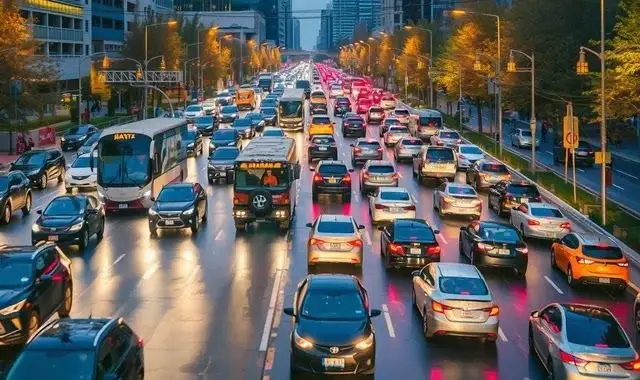
Urban traffic management has become one of the most important topics in modern city planning. As cities continue to grow, the number of vehicles on the road increases rapidly. This leads to congestion, longer travel times, pollution, and stress for commuters. Therefore, understanding urban traffic management is essential for both individuals and authorities who want smoother and safer transportation systems.
In simple terms, urban traffic management focuses on controlling and improving the movement of vehicles and pedestrians in city areas. It involves planning, monitoring, and implementing strategies that reduce congestion and improve efficiency. From traffic signals to smart technologies, everything plays a role in maintaining order on busy roads.
Moreover, good traffic management not only saves time but also reduces fuel consumption and environmental damage. Cities that invest in better systems often experience improved quality of life. As a result, both governments and private sectors are now paying more attention to this field.What is Urban Traffic Management?
Urban traffic management refers to the planning, control, and monitoring of traffic flow in city areas. It includes various methods and systems designed to ensure smooth movement of vehicles, cyclists, and pedestrians.
This process involves both physical infrastructure and digital technologies. For example, traffic lights, road signs, and lane markings are traditional tools. On the other hand, smart traffic systems, sensors, and real-time monitoring are modern solutions.
Additionally, urban traffic management aims to reduce congestion, prevent accidents, and improve travel efficiency. It also considers environmental factors, such as reducing air pollution and noise levels.
In short, it is a combination of planning, technology, and control measures that help cities manage transportation effectively.
Why is Urban Traffic Management Important?
Urban traffic management plays a vital role in improving daily life in cities. Without proper systems, roads can quickly become chaotic and unsafe.
First of all, it helps reduce traffic congestion. When vehicles move smoothly, travel time decreases significantly. This saves time for commuters and improves productivity.
Secondly, it enhances road safety. Proper management reduces accidents by controlling speed, organizing traffic flow, and guiding drivers effectively.
Another important reason is environmental protection. Efficient traffic systems reduce fuel consumption and emissions, which helps lower air pollution.
Furthermore, it supports economic growth. Businesses benefit from faster transportation of goods and employees. This leads to better overall efficiency in the city.
Finally, it improves the quality of life. Less traffic means less stress, better air quality, and more time for personal activities.
Detailed Step-by-Step Guide
Step 1: Traffic Analysis and Data Collection
The first step in urban traffic management is understanding the current situation. Authorities collect data about traffic volume, peak hours, and accident-prone areas.
This can be done using cameras, sensors, and surveys. Accurate data helps in making better decisions.
Step 2: Planning Road Infrastructure
After collecting data, planners design roads and intersections to handle traffic efficiently. This includes adding lanes, creating roundabouts, and improving road layouts.
Good planning reduces bottlenecks and ensures smooth movement.
Step 3: Implementing Traffic Control Systems
Traffic control systems are essential for managing flow. These include:
- Traffic signals
- Road signs
- Speed limits
- Lane markings
Modern systems also use smart signals that adjust timing based on traffic conditions.
Step 4: Using Smart Traffic Technology
Technology has transformed urban traffic management. Smart systems use real-time data to monitor and control traffic.
Examples include:
- Adaptive traffic signals
- GPS-based navigation systems
- Traffic monitoring apps
These tools help reduce congestion and improve efficiency.
Step 5: Promoting Public Transportation
Encouraging people to use buses, trains, and shared transport reduces the number of vehicles on the road.
Cities can improve public transport by making it reliable, affordable, and accessible.
Step 6: Traffic Law Enforcement
Strict enforcement of traffic laws is necessary for safety and order. Authorities must ensure that drivers follow rules such as speed limits and signal compliance.
This reduces accidents and improves discipline on the roads.
Step 7: Continuous Monitoring and Improvement
Urban traffic management is not a one-time process. It requires continuous monitoring and updates.
Authorities should regularly analyze data and make improvements based on changing conditions.
Benefits of Urban Traffic Management
- Reduces traffic congestion and travel time
- Improves road safety and reduces accidents
- Lowers fuel consumption and costs
- Decreases air pollution and environmental impact
- Enhances productivity and economic growth
- Provides better commuting experience
- Supports sustainable urban development
- Improves emergency response times
Disadvantages / Risks
- High implementation and maintenance costs
- Requires advanced technology and expertise
- Possible system failures or technical issues
- Resistance from the public to new policies
- Data privacy concerns in smart systems
- Dependence on continuous monitoring
- Infrastructure changes can disrupt traffic temporarily
Common Mistakes to Avoid
One common mistake is ignoring proper data analysis. Without accurate information, decisions may lead to ineffective solutions.
Another issue is poor planning of road infrastructure. Narrow roads or poorly designed intersections can increase congestion.
Many cities also fail to maintain traffic systems regularly. Broken signals or unclear road signs create confusion and accidents.
Over-reliance on technology is another problem. While smart systems are useful, they should be supported by proper human management.
Additionally, lack of public awareness can reduce the effectiveness of traffic management strategies. People need to understand and follow rules.
Finally, ignoring public transportation can lead to excessive use of private vehicles, increasing traffic problems.
FAQs
1. What is the main goal of urban traffic management?
The main goal is to ensure smooth, safe, and efficient movement of vehicles and pedestrians in urban areas while reducing congestion and pollution.
2. How does urban traffic management reduce congestion?
It uses strategies like traffic signals, better road design, and smart technologies to control traffic flow and reduce bottlenecks.
3. What role does technology play in traffic management?
Technology helps monitor traffic in real time, adjust signals automatically, and provide data for better decision-making.
4. Why is public transportation important in urban traffic management?
Public transportation reduces the number of private vehicles on the road, which helps decrease congestion and pollution.
5. Can urban traffic management improve safety?
Yes, it reduces accidents by organizing traffic flow, enforcing rules, and improving road conditions.
6. What are smart traffic systems?
Smart traffic systems use sensors, cameras, and software to monitor and control traffic in real time for better efficiency.
Expert Tips & Bonus Points
Start by focusing on data-driven decisions. Accurate data is the foundation of effective urban traffic management.
Always prioritize public transportation. Investing in buses and trains can significantly reduce traffic problems.
Use smart technologies wisely. Combine them with traditional methods for the best results.
Encourage carpooling and ride-sharing. This reduces the number of vehicles on the road.
Regular maintenance of traffic systems is essential. Broken signals or signs can create major issues.
Public awareness campaigns are also important. Educating people about traffic rules improves compliance.
Plan for future growth. Cities should design systems that can handle increasing traffic over time.
Finally, collaboration between government agencies, private sectors, and the public ensures better results.
Conclusion
Urban traffic management is a critical part of modern city life. As urban populations continue to grow, managing traffic effectively becomes more challenging and important. Without proper systems, cities can face severe congestion, accidents, and environmental problems.
However, with the right strategies, these challenges can be managed successfully. From proper planning and data analysis to the use of smart technologies, every step plays a vital role. Additionally, promoting public transportation and enforcing traffic laws further improves the system.
While there are some risks and challenges, the benefits of urban traffic management are far greater. It not only improves transportation but also enhances safety, reduces pollution, and boosts economic growth.
