

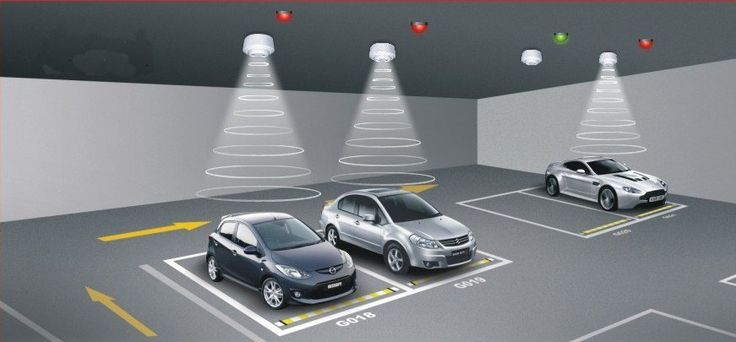
Introduction to Smart Parking System
A smart parking system is an advanced technology-based solution designed to help drivers quickly find available parking spaces using sensors, cameras, mobile apps, and real-time data. With growing urban populations and increasing vehicle numbers, traditional parking methods are no longer efficient. Cities face major issues like traffic congestion, wasted fuel, and time loss due to the lack of proper parking management.
Smart parking systems solve these problems by integrating IoT (Internet of Things), artificial intelligence, and cloud computing to manage parking spaces more efficiently. These systems provide real-time updates about available spots, guide drivers directly to them, and even allow online reservations and digital payments.
In modern smart cities, smart parking is becoming an essential part of urban infrastructure because it improves traffic flow, reduces pollution, and enhances the overall driving experience.
2. How Smart Parking Systems Work
Smart parking systems work through a combination of hardware and software technologies.
First, sensors are installed in parking spaces to detect whether a spot is occupied or vacant. These sensors send real-time data to a central system. Cameras may also be used for monitoring and license plate recognition.
Then, this data is processed using cloud-based software. The system updates availability information and shares it with users through mobile apps, digital boards, or navigation systems.
Drivers can open an app to check nearby parking availability, reserve a spot, and even pay digitally before arriving. This reduces uncertainty and saves time.
3. Key Components of Smart Parking Systems
A smart parking system consists of several important components that work together:
Sensors and IoT Devices
These detect vehicle presence in parking spaces using ultrasonic, infrared, or magnetic technology.
Cameras and ANPR Systems
Automatic Number Plate Recognition (ANPR) helps in vehicle identification and security management.
Mobile Applications
Apps allow users to locate, reserve, and pay for parking spaces in real time.
Cloud Computing
Stores and processes parking data for real-time updates and analytics.
Payment Gateways
Enable cashless transactions using credit cards, mobile wallets, or QR codes.
4. Types of Smart Parking Systems
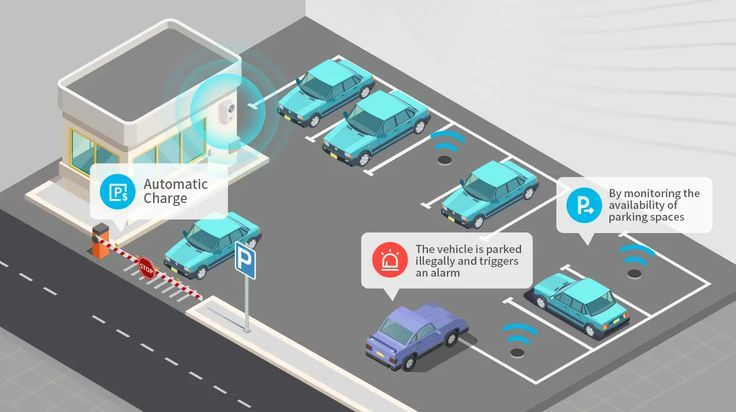
There are different types of smart parking systems used in cities and private facilities.
1. Sensor-Based Parking Systems
These systems use ground sensors to detect whether a parking space is occupied or empty.
2. Camera-Based Systems
Cameras monitor parking areas and use AI to detect available spots.
3. Automated Parking Systems
These systems use mechanical structures to automatically park and retrieve vehicles.
4. Mobile App-Based Systems
Drivers use apps to find and reserve parking spaces before arriving.
5. Smart Parking Guidance Systems
These systems guide drivers through digital signs or navigation apps to available spaces.
5. Benefits of Smart Parking Systems
Smart parking systems offer several advantages for cities, businesses, and drivers.
Reduced Traffic Congestion
Drivers spend less time searching for parking, which reduces road traffic.
Time and Fuel Savings
Quick access to parking reduces fuel consumption and saves time.
Environmental Benefits
Less traffic means reduced carbon emissions and better air quality.
Improved User Experience
Drivers enjoy a smoother and more convenient parking experience.
Better Space Utilization
Parking spaces are used more efficiently with real-time management.
Increased Revenue for Operators
Digital systems improve payment collection and reduce revenue loss.
6. Challenges of Smart Parking Systems
Despite many benefits, smart parking systems also face some challenges.
High Installation Cost
Initial setup of sensors, cameras, and software can be expensive.
Technical Issues
System failures or connectivity problems may affect performance.
Data Privacy Concerns
License plate recognition and tracking raise privacy issues.
Maintenance Requirements
Regular maintenance is required to ensure system accuracy.
User Adaptation
Some users may take time to adapt to new digital systems.
7. Smart Parking in Smart Cities
Smart parking plays a major role in the development of smart cities. As urban areas become more crowded, efficient traffic and parking management becomes essential.
Cities use smart parking systems to reduce congestion, improve transportation planning, and support eco-friendly initiatives. These systems are often integrated with smart traffic lights, public transport systems, and navigation apps for better coordination.
In the future, smart parking will be a core part of intelligent transportation systems worldwide.
8. Future Trends of Smart Parking Systems
The future of smart parking is driven by innovation and automation.
AI and Machine Learning Integration
AI will predict parking demand and optimize space usage.
Autonomous Vehicle Parking
Self-driving cars will automatically find and park in available spaces.
Blockchain-Based Payments
Secure and transparent payment systems will become more common.
Fully Automated Parking Structures
Robotic parking garages will handle vehicles without human involvement.
Integration with Smart Mobility Apps
Parking systems will be directly connected with ride-sharing and navigation apps.
9. Real-World Applications of Smart Parking
Smart parking systems are already being used in many places such as:
- Shopping malls and commercial centers
- Airports and railway stations
- Hospitals and universities
- Corporate offices
- Smart city projects
These applications show how important smart parking has become in modern infrastructure.
10. Conclusion
Smart parking systems are transforming the way people park their vehicles in urban areas. By using advanced technologies like IoT, AI, and cloud computing, these systems make parking faster, easier, and more efficient.
Although there are some challenges like cost and maintenance, the long-term benefits are much greater. With continuous advancements, smart parking will become a standard feature in future smart cities, improving mobility, reducing pollution, and enhancing quality of life.
FAQs
1. What is a smart parking system?
A smart parking system is a technology-based solution that helps drivers find, reserve, and pay for parking spaces using real-time data.
2. How does a smart parking system work?
It uses sensors, cameras, and software to detect available spaces and share information through apps or digital displays.
3. What are the benefits of smart parking systems?
They reduce traffic, save time and fuel, improve user experience, and help reduce pollution.
4. Are smart parking systems expensive to install?
Yes, initial installation can be costly due to sensors and technology, but they save money in the long run.
5. Where are smart parking systems used?
They are used in malls, airports, hospitals, offices, and smart city projects.
6. Can smart parking reduce traffic congestion?
Yes, by guiding drivers directly to available spaces, it significantly reduces traffic caused by searching for parking.
7. What technologies are used in smart parking systems?
IoT sensors, AI, cloud computing, mobile apps, and ANPR cameras are commonly used.
