

Introduction
The future of urban mobility is one of the most exciting and rapidly evolving topics in today’s world. As cities continue to grow, the need for smarter, faster, and more sustainable transportation systems becomes increasingly important. Urban areas are facing challenges like traffic congestion, pollution, and inefficient public transport. Because of this, governments, companies, and innovators are working together to reshape how people move within cities.
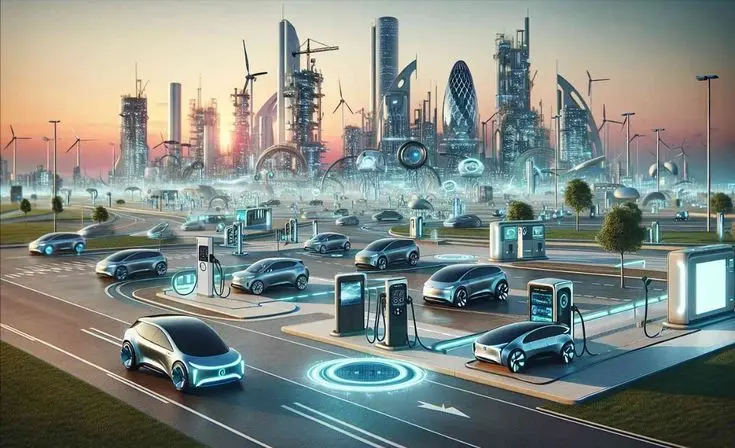
In recent years, we have seen a shift toward cleaner and more efficient mobility solutions. Electric vehicles, shared transportation, and smart traffic systems are becoming more common. At the same time, new technologies such as autonomous vehicles and artificial intelligence are transforming traditional transportation models. These changes are not only improving convenience but also helping to reduce environmental impact.
Moreover, the future of urban mobility is not just about vehicles. It includes better infrastructure, digital connectivity, and user-friendly systems that make traveling easier for everyone. From cycling lanes to ride-sharing apps, cities are adopting new approaches to meet the needs of modern populations.What is Future of Urban Mobility?
The future of urban mobility refers to the development of advanced transportation systems designed to improve how people and goods move within cities. It focuses on making transportation more efficient, sustainable, and accessible for everyone.
Traditionally, urban mobility relied heavily on private vehicles and basic public transport systems. However, this approach has led to problems such as traffic jams, pollution, and limited accessibility. As a result, modern urban mobility is shifting toward smarter and more integrated solutions.
These solutions include electric vehicles, shared transportation services, and intelligent traffic management systems. Additionally, technologies like mobile apps allow users to plan their journeys more efficiently. For example, a person can now use one app to book a bus, rent a bike, and pay for a ride.
Another important aspect is sustainability. The future of urban mobility aims to reduce carbon emissions and promote eco-friendly transport options. This includes encouraging walking, cycling, and the use of public transport.
Overall, the future of urban mobility is about creating a seamless and efficient transportation experience. It connects different modes of transport into one system, making travel easier and more convenient.
Why is Future of Urban Mobility Important?
The importance of the future of urban mobility cannot be ignored. As urban populations grow, cities must find better ways to manage transportation. Without improvements, traffic congestion and pollution will continue to worsen.
First, it helps reduce environmental impact. Traditional vehicles produce harmful emissions that contribute to climate change. By adopting cleaner technologies like electric vehicles, cities can significantly lower pollution levels.
Second, it improves quality of life. Efficient transportation systems save time and reduce stress. People can travel faster and more comfortably, which enhances their daily experience.
Third, it supports economic growth. Better mobility allows businesses to operate more efficiently. Goods can be delivered quickly, and employees can reach workplaces without delays.
Furthermore, the future of urban mobility promotes inclusivity. It ensures that transportation is accessible to everyone, including people with disabilities and those living in remote areas.
In short, the future of urban mobility is essential for building smarter, greener, and more livable cities.
Detailed Step-by-Step Guide
Step 1: Understand Current Transportation Challenges
Before implementing new solutions, it is important to analyze existing problems. These include traffic congestion, pollution, and inefficient public transport systems.
Cities must collect data on traffic patterns, commuter behavior, and environmental impact. This information helps identify areas that need improvement.
Step 2: Invest in Smart Infrastructure
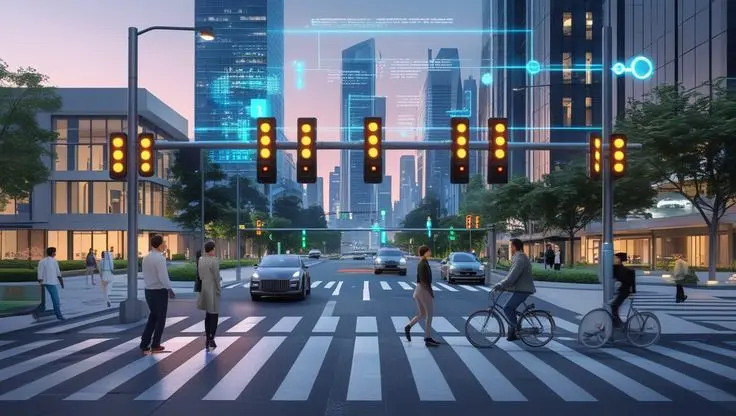
Smart infrastructure plays a key role in the future of urban mobility. This includes intelligent traffic signals, digital payment systems, and real-time data monitoring.
For example, smart traffic lights can adjust based on traffic flow, reducing congestion and improving travel time.
Step 3: Promote Public Transportation
Improving public transport is essential. Cities should invest in reliable buses, trains, and metro systems.
Additionally, integrating different modes of transport into one network makes it easier for users to switch between them.
Step 4: Encourage Sustainable Options
Sustainability is a core element of the future of urban mobility. Cities should promote walking, cycling, and electric vehicles.
Building bike lanes and pedestrian-friendly areas encourages people to choose eco-friendly transport options.
Step 5: Adopt Advanced Technologies
Technologies like artificial intelligence and automation are transforming transportation.
Autonomous vehicles, for example, can reduce human error and improve safety. Similarly, AI can optimize traffic management and route planning.
Step 6: Support Shared Mobility Services
Shared mobility services such as ride-sharing and car-sharing reduce the number of vehicles on the road.
This not only decreases traffic congestion but also lowers emissions.
Step 7: Implement Strong Policies
Governments must create policies that support innovation and sustainability.
This includes incentives for electric vehicles and regulations to reduce emissions.
Benefits of Future of Urban Mobility
- Reduces traffic congestion in busy urban areas
- Lowers carbon emissions and improves air quality
- Saves time through efficient transportation systems
- Enhances convenience with integrated travel options
- Supports economic growth and productivity
- Promotes healthier lifestyles through walking and cycling
- Improves accessibility for all individuals
Disadvantages / Risks
- High initial investment costs for infrastructure
- Technical challenges in implementing new systems
- Privacy concerns related to data collection
- Dependence on technology may lead to system failures
- Resistance to change from traditional users
- Unequal access in some regions
Common Mistakes to Avoid
One common mistake is ignoring long-term planning. Many cities focus on short-term solutions instead of building sustainable systems.
Another mistake is lack of integration. Without connecting different transport modes, users may face inconvenience.
Additionally, failing to consider user needs can lead to ineffective systems. It is important to design solutions that are easy to use.
Overlooking maintenance is another issue. Even advanced systems require regular updates and repairs.
Finally, not investing in awareness campaigns can slow adoption. People need to understand the benefits of new mobility solutions.
FAQs
What is the future of urban mobility?
It refers to modern transportation systems that use technology and sustainable practices to improve movement within cities.
Why is urban mobility changing?
Urban mobility is changing due to population growth, environmental concerns, and advancements in technology.
What role do electric vehicles play?
Electric vehicles reduce emissions and help create cleaner urban environments.
Are autonomous vehicles safe?
Autonomous vehicles are designed to improve safety by reducing human error, but they still require testing and regulation.
How does shared mobility help cities?
Shared mobility reduces the number of vehicles on the road, decreasing congestion and pollution.
What are smart transportation systems?
Smart systems use technology like sensors and data analysis to manage traffic and improve efficiency.
Expert Tips & Bonus Points
To succeed in adopting the future of urban mobility, cities should focus on collaboration. Governments, businesses, and citizens must work together.
Investing in education and awareness is also important. People should understand how to use new systems effectively.
Another useful tip is to start small. Pilot projects allow cities to test solutions before large-scale implementation.
Data security should also be a priority. Protecting user information builds trust and encourages adoption.
Finally, continuous improvement is key. Cities should regularly evaluate systems and make necessary adjustments.
Conclusion
The future of urban mobility is transforming how people move within cities. It offers innovative solutions to some of the biggest challenges faced by urban areas today. From reducing traffic congestion to improving air quality, the benefits are significant.
As technology continues to evolve, transportation systems will become smarter and more efficient. Electric vehicles, shared mobility, and intelligent infrastructure will play a major role in shaping the future. At the same time, strong policies and public awareness will be essential for successful implementation.
However, it is important to address potential risks and challenges. Proper planning, investment, and collaboration are necessary to ensure long-term success. Cities must focus on creating systems that are not only efficient but also inclusive and sustainable.
