

Introduction
Commercial parking management is becoming one of the most important parts of modern urban infrastructure. As cities grow, the demand for efficient parking spaces increases rapidly. Businesses, shopping malls, airports, hospitals, and corporate buildings all face the same challenge: how to manage limited parking space in a way that is smooth, profitable, and user-friendly.
Traditional parking methods are no longer enough. Manual ticketing, unorganized space allocation, and lack of monitoring lead to traffic congestion, wasted time, and customer frustration. This is where commercial parking management systems come in. These systems use smart technology such as sensors, automation, software platforms, and real-time data tracking to optimize parking operations.
In this article, we will explore everything about commercial parking management, including its benefits, key features, types, challenges, and future trends.
1. What is Commercial Parking Management?
Commercial parking management refers to the organized control, monitoring, and optimization of parking spaces in commercial areas. It involves the use of technology and strategies to ensure maximum utilization of parking spaces while improving user experience.
It is widely used in:
- Shopping malls
- Office buildings
- Airports
- Hospitals
- Hotels
- Public and private parking lots
The main goal is to reduce chaos, improve traffic flow, and generate higher revenue for parking operators.
2. Importance of Commercial Parking Management
Parking problems can directly affect business performance. When customers struggle to find parking, they often choose competitors instead. That’s why efficient parking systems are critical.
Key reasons why it matters:
- Reduces traffic congestion in busy areas
- Improves customer satisfaction and experience
- Maximizes space utilization
- Increases revenue for businesses
- Enhances security and monitoring
- Saves time for drivers
In modern cities, parking management is not just a convenience—it is a necessity.
3. Key Features of Modern Parking Management Systems
Modern commercial parking systems are powered by advanced technologies. These features make operations smooth and efficient.
Smart Entry and Exit Systems
Automated gates with sensors and license plate recognition allow fast vehicle movement without manual checks.
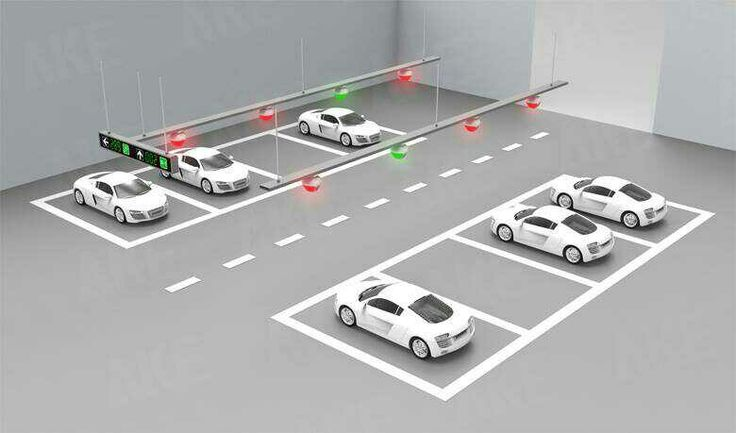
Real-Time Space Monitoring
Sensors detect available and occupied spaces, helping drivers find parking quickly.
Digital Payment Systems
Cashless payment options like mobile apps, QR codes, and cards reduce waiting time.
Centralized Management Software
Operators can control and monitor all parking activities from a single dashboard.
Security Surveillance
CCTV cameras and AI monitoring ensure safety of vehicles and users.
Reservation Systems
Users can book parking spaces in advance through apps or websites.
4. Types of Commercial Parking Systems

There are several types of parking systems used depending on space and requirements.
Surface Parking Lots
Open-air parking areas commonly used in malls and commercial zones.
Multi-Level Parking Structures
Buildings designed with multiple floors to maximize vertical space usage.
Underground Parking
Common in cities where land is limited, usually found in malls and offices.
Automated Parking Systems
Fully mechanical systems that park and retrieve cars automatically using lifts and platforms.
Smart Parking Systems
IoT-based systems that provide real-time data and digital control.
5. Benefits of Commercial Parking Management
Implementing a modern parking management system offers many advantages.
Improved Efficiency
Automation reduces manual work and speeds up entry and exit processes.
Better Revenue Generation
Dynamic pricing and optimized space usage increase profitability.
Enhanced User Experience
Drivers spend less time searching for parking, improving satisfaction.
Reduced Traffic Congestion
Efficient parking flow reduces bottlenecks in busy areas.
Environmental Benefits
Less time spent driving around reduces fuel consumption and emissions.
Data Insights
Analytics help operators understand usage patterns and optimize operations.
6. Challenges in Commercial Parking Management
Despite its benefits, there are some challenges involved.
High Installation Costs
Advanced systems require significant initial investment.
Maintenance Requirements
Sensors, software, and hardware need regular maintenance.
Technical Issues
System failures or downtime can disrupt operations.
User Adaptation
Some users may struggle with new digital systems.
Space Limitations
In highly dense cities, expanding parking capacity remains difficult.
7. Role of Technology in Parking Management
Technology plays a key role in transforming parking systems.
- IoT sensors detect real-time parking availability
- AI predicts parking demand patterns
- Mobile apps provide user-friendly access
- Cloud computing stores and processes data
- Automation reduces human involvement
These technologies make parking smarter, faster, and more reliable.
8. Future Trends in Commercial Parking Management
The future of parking management is highly digital and automated.
AI-Based Smart Parking
Artificial intelligence will predict parking demand and optimize pricing.
Fully Automated Parking Facilities
Robotic systems will park cars without human involvement.
Integration with Smart Cities
Parking systems will connect with city traffic management systems.
Electric Vehicle Charging Integration
Parking spaces will include EV charging stations.
Blockchain Payments
Secure and transparent payment systems may become common.
9. How Businesses Benefit from Parking Management Systems
For commercial property owners, parking systems are not just operational tools—they are revenue generators.
- Attract more customers
- Increase property value
- Reduce operational costs
- Improve brand image
- Enable better space utilization
A well-managed parking facility can significantly boost business performance.
10. Best Practices for Effective Parking Management
To achieve the best results, businesses should follow these practices:
- Use automated entry and exit systems
- Install clear signage for drivers
- Regularly maintain equipment
- Use data analytics for decision-making
- Offer multiple payment options
- Train staff for system handling
These steps ensure smooth and efficient parking operations.
FAQs
What is commercial parking management?
It is the organized system of controlling and optimizing parking spaces in commercial areas using technology and management strategies.
Why is parking management important for businesses?
It improves customer experience, reduces congestion, and increases revenue by efficiently using available space.
What technologies are used in parking management systems?
IoT sensors, AI, mobile apps, automated gates, and cloud-based software are commonly used technologies.
What are the main types of parking systems?
Surface parking, underground parking, multi-level structures, automated systems, and smart parking systems.
Is commercial parking management expensive to implement?
Yes, initial setup can be costly, but it provides long-term financial and operational benefits.
