

Introduction
Sustainable urban mobility is becoming one of the most important topics in modern city planning. As cities grow rapidly, transportation systems face increasing pressure. Traffic congestion, air pollution, and rising fuel costs are just a few of the challenges urban areas deal with every day. Because of this, governments, planners, and individuals are now focusing on smarter and greener ways to move around cities.
In simple terms, sustainable urban mobility focuses on creating transport systems that are efficient, environmentally friendly, and accessible to everyone. It promotes walking, cycling, public transport, and clean energy vehicles. Moreover, it reduces the reliance on private cars, which are a major source of pollution and congestion.
For beginners, understanding sustainable urban mobility may seem complex. However, it is actually about making everyday travel choices that are better for people and the planet. Whether you are a student, office worker, or business owner, your travel decisions play a role.
What is Sustainable Urban Mobility?
Sustainable urban mobility refers to transportation systems designed to meet current mobility needs without harming future generations. It focuses on reducing environmental impact, improving efficiency, and ensuring accessibility for all citizens.
Unlike traditional transport systems that rely heavily on private vehicles, sustainable urban mobility promotes alternative methods. These include public transportation, cycling infrastructure, walking-friendly streets, and electric vehicles.
Additionally, it considers social and economic factors. For example, affordable transport options help low-income groups access jobs and education. At the same time, reduced pollution improves public health.
Another important aspect is integration. Different transport modes should work together smoothly. For instance, a person can take a bus, then switch to a train, and finally walk to their destination without difficulty.
Overall, sustainable urban mobility is about balance. It aims to create a system that is efficient, inclusive, and environmentally responsible.
Why is Sustainable Urban Mobility Important?
Sustainable urban mobility is essential for several reasons. First, it helps reduce air pollution, which is a major problem in many cities. Vehicles that run on fossil fuels release harmful gases, affecting both the environment and human health.
Second, it reduces traffic congestion. Cities with better public transport and cycling options have fewer cars on the road. As a result, travel becomes faster and less stressful.
Another key reason is climate change. Transportation is one of the largest sources of greenhouse gas emissions. By adopting sustainable urban mobility, cities can significantly lower their carbon footprint.
Furthermore, it improves quality of life. Cleaner air, less noise, and safer streets make cities more livable. People can walk or cycle without fear, and communities become more connected.
Economic benefits also play a role. Efficient transport systems reduce fuel costs and save time. Businesses benefit from better logistics, and individuals spend less on commuting.
In short, sustainable urban mobility is not just an option. It is a necessity for the future of cities.
Detailed Step-by-Step Guide
Step 1: Assess Current Transportation Habits
Start by understanding how people travel in your city or daily life. Identify common problems such as traffic congestion, lack of public transport, or unsafe walking conditions.
This step helps highlight areas that need improvement.
Step 2: Promote Public Transportation
Encouraging the use of buses, trains, and metro systems is crucial. Public transport reduces the number of private vehicles on the road.
Governments should improve reliability, affordability, and coverage.
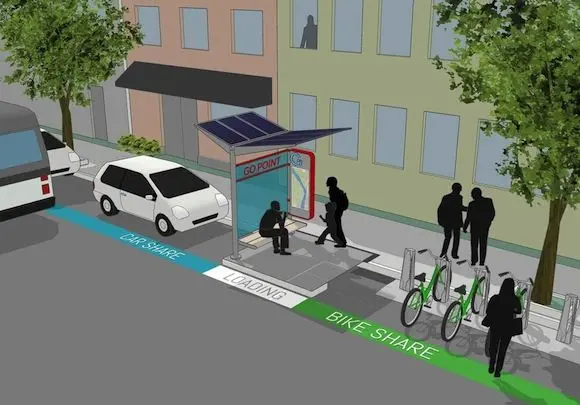
Step 3: Develop Cycling Infrastructure
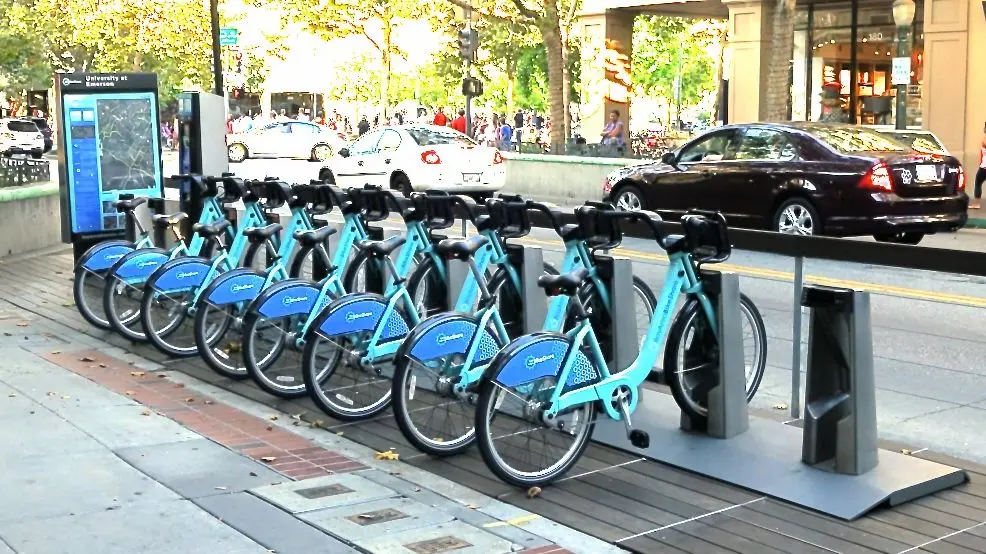
Cycling is one of the most eco-friendly transport options. Cities should build dedicated bike lanes and provide parking facilities.
This makes cycling safer and more attractive.
Step 4: Encourage Walking
Pedestrian-friendly streets are essential. Sidewalks should be wide, clean, and safe.
Adding green spaces and proper lighting can also improve the walking experience.
Step 5: Support Electric Vehicles
Electric vehicles produce fewer emissions compared to traditional cars. Governments can offer incentives to encourage their use.
Charging stations should also be easily available.
Step 6: Use Smart Technology
Technology can improve transportation efficiency. For example, traffic management systems reduce congestion.
Mobile apps can provide real-time updates on public transport.
Step 7: Raise Awareness
People need to understand the benefits of sustainable urban mobility. Awareness campaigns can encourage individuals to change their habits.
Education plays a key role in long-term success.
Benefits of Sustainable Urban Mobility
- Reduces air pollution and improves health
- Decreases traffic congestion in cities
- Saves money on fuel and transportation
- Promotes physical activity through walking and cycling
- Supports economic growth by improving efficiency
- Enhances overall quality of life
- Reduces greenhouse gas emissions
- Creates safer and more organized urban environments
Disadvantages / Risks
- High initial cost for infrastructure development
- Resistance to change from the public
- Limited accessibility in some areas
- Maintenance challenges for transport systems
- Dependence on government policies and planning
- Slow implementation in developing regions
Common Mistakes to Avoid
One common mistake is focusing only on one mode of transport. For example, improving public transport without supporting cycling and walking can limit effectiveness.
Another mistake is ignoring public feedback. People who use the system daily can provide valuable insights.
Poor planning is also a major issue. Without proper research, projects may fail or waste resources.
Additionally, lack of maintenance can reduce the quality of transport systems over time.
Finally, failing to educate people about sustainable urban mobility can slow adoption.
FAQs
What is the main goal of sustainable urban mobility?
The main goal is to create a transport system that is efficient, eco-friendly, and accessible for everyone. It aims to reduce pollution and improve quality of life.
How does sustainable urban mobility help the environment?
It reduces the use of fossil fuels, lowers emissions, and promotes cleaner alternatives like cycling and electric vehicles.
Can small cities adopt sustainable urban mobility?
Yes, small cities can implement it easily. In fact, they often have fewer challenges compared to large cities.
Is public transport better than private cars?
In most cases, yes. Public transport reduces congestion, saves money, and is more environmentally friendly.
What role does technology play?
Technology helps manage traffic, provide real-time updates, and improve overall efficiency of transport systems.
How can individuals contribute?
Individuals can use public transport, walk, cycle, or choose eco-friendly vehicles. Small changes can make a big difference.
Expert Tips & Bonus Points
Start with small changes in daily life. For example, choose walking for short distances instead of driving.
Support policies that promote sustainable urban mobility in your community.
Invest in quality infrastructure rather than quick fixes. Long-term planning is more effective.
Encourage workplaces to offer flexible hours. This can reduce peak-time traffic.
Use data and research to make informed decisions. Accurate information leads to better outcomes.
Finally, collaborate with different sectors. Governments, businesses, and citizens must work together.
Conclusion
Sustainable urban mobility is shaping the future of cities around the world. As urban populations continue to grow, the need for efficient and eco-friendly transportation becomes more urgent. By focusing on cleaner options like public transport, cycling, and walking, cities can reduce pollution and improve daily life for millions of people.
The concept may seem challenging at first, but it is actually built on simple ideas. Reducing car dependency, improving infrastructure, and raising awareness are key steps. When these elements come together, the results can be transformative.
Moreover, sustainable urban mobility is not just the responsibility of governments. Individuals also play a vital role. Small actions, such as choosing public transport or walking, contribute to a larger impact.
