

Introduction
Intelligent Transport Systems are transforming the way people travel and goods move across cities and countries. In today’s fast-paced world, transportation challenges such as traffic congestion, road accidents, pollution, and delays have become common. To solve these problems, modern technology is being integrated into transportation networks, making them smarter, faster, and more efficient.
At its core, intelligent transport systems combine information technology, communication systems, and data analysis to improve transportation performance. These systems help drivers make better decisions, assist governments in managing traffic flow, and enhance overall safety. From traffic signals that adjust automatically to real-time navigation apps, intelligent transport systems are already part of our daily lives.
Moreover, the growing demand for smart cities has made intelligent transport systems even more important. Governments and private sectors are investing heavily in these technologies to create safer and more sustainable environments. As a result, understanding intelligent transport systems is essential for anyone interested in modern transportation, urban planning, or technology.
What is Intelligent Transport Systems?
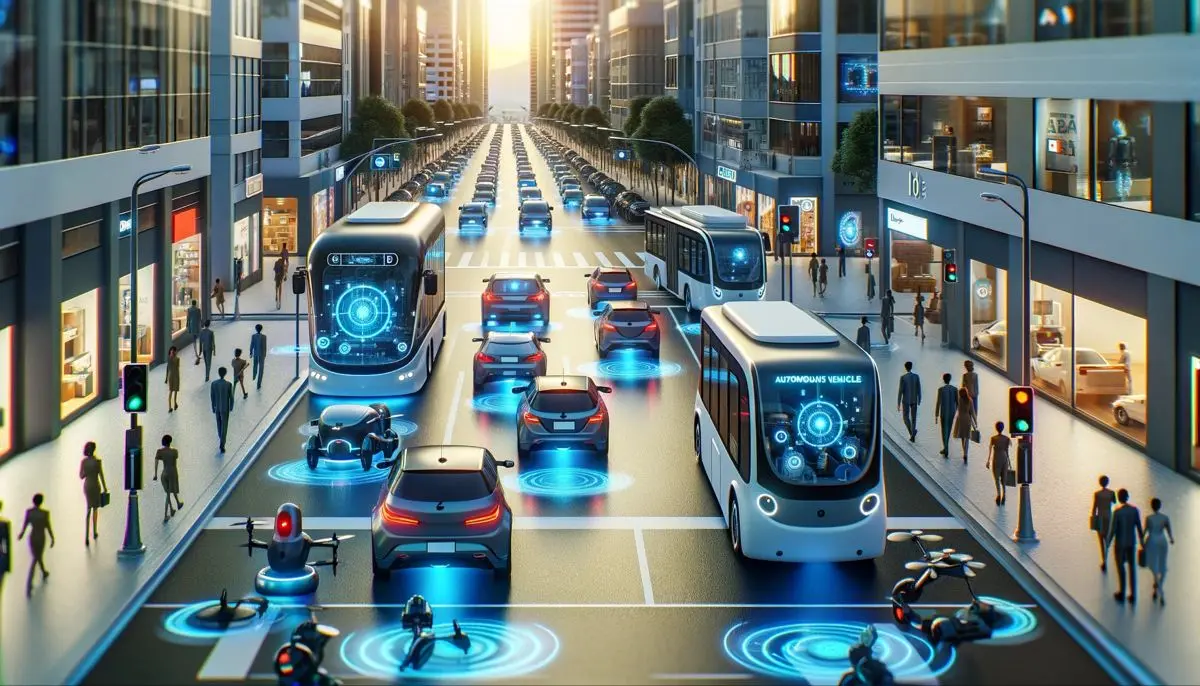
Intelligent transport systems refer to the use of advanced technologies in transportation to improve efficiency, safety, and convenience. These systems integrate hardware, software, communication networks, and data analytics to manage traffic and transport operations in real time.
In simple terms, intelligent transport systems make transportation smarter by collecting and analyzing data from various sources such as vehicles, roads, and users. This data is then used to control traffic signals, provide navigation guidance, monitor road conditions, and manage public transport.
For example, when you use a navigation app that shows live traffic updates and suggests the fastest route, you are already using intelligent transport systems. Similarly, automatic toll collection systems, smart traffic lights, and vehicle tracking systems are all part of this technology.
These systems rely on technologies such as sensors, cameras, GPS, and wireless communication. By connecting different elements of the transport network, intelligent transport systems create a coordinated and efficient system that reduces delays and improves user experience.
Why is Intelligent Transport Systems Important?
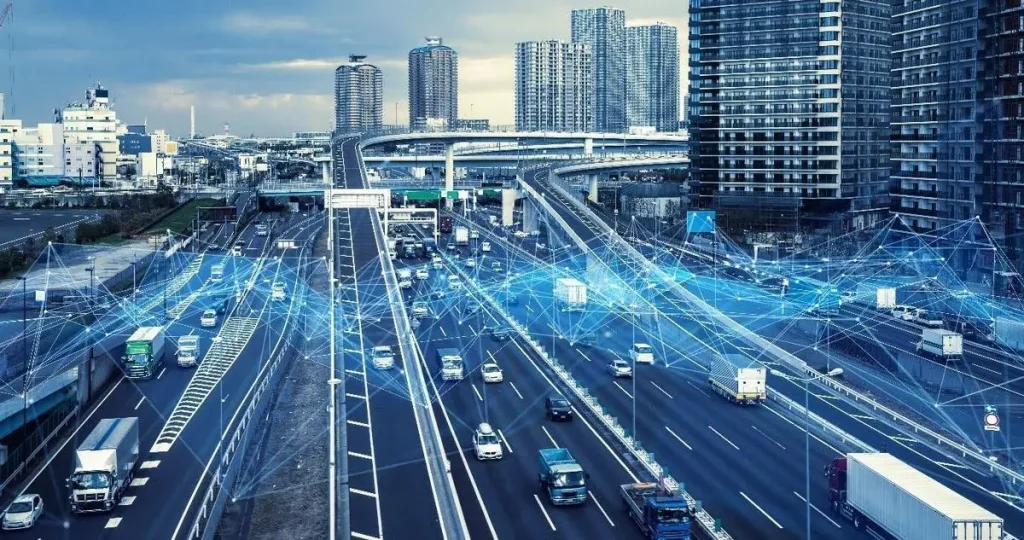
Intelligent transport systems play a crucial role in solving modern transportation problems. As cities grow and the number of vehicles increases, managing traffic becomes more challenging. Without proper systems in place, congestion, accidents, and pollution can worsen.
One of the main reasons intelligent transport systems are important is their ability to reduce traffic congestion. By analyzing real-time data, these systems can adjust traffic signals, suggest alternative routes, and improve traffic flow.
Another key benefit is improved safety. Intelligent transport systems help reduce accidents by providing warnings, monitoring driver behavior, and controlling traffic more effectively. For example, systems can alert drivers about sudden stops, road hazards, or bad weather conditions.
In addition, intelligent transport systems support environmental sustainability. By reducing traffic congestion and improving fuel efficiency, these systems help lower emissions and reduce air pollution.
Furthermore, they enhance the overall travel experience. Passengers can access real-time information about public transport schedules, delays, and routes, making their journeys more convenient and predictable.
Detailed Step-by-Step Guide
Step 1: Understanding the Basics
Before implementing or using intelligent transport systems, it is important to understand the basic components. These include data collection devices, communication systems, processing units, and user interfaces.
Data is collected through sensors, cameras, and GPS devices installed on roads and vehicles. This data is then transmitted through communication networks to control centers where it is analyzed.
Step 2: Data Collection and Monitoring
The next step involves collecting real-time data from various sources. This includes traffic flow, vehicle speed, road conditions, and weather information.
Monitoring systems continuously track this data to identify patterns and detect issues such as congestion or accidents. This real-time monitoring is essential for making quick decisions.
Step 3: Data Processing and Analysis
Once the data is collected, it is processed using advanced algorithms and software. The system analyzes the data to predict traffic conditions, identify problems, and suggest solutions.
For example, if a traffic jam is detected, the system can calculate alternative routes and adjust traffic signals to reduce congestion.
Step 4: Communication and Information Sharing
After processing the data, the system communicates the information to users and authorities. This can be done through mobile apps, digital signboards, or control centers.
Drivers receive real-time updates about traffic conditions, while authorities get insights to manage traffic more effectively.
Step 5: Implementation of Control Measures
Based on the analyzed data, the system takes actions to improve traffic flow. This may include adjusting traffic signals, controlling lane usage, or rerouting vehicles.
These automated actions help reduce delays and improve overall efficiency.
Step 6: Continuous Monitoring and Improvement
Intelligent transport systems are not static. They continuously monitor performance and make improvements over time.
By learning from past data, these systems become more accurate and effective in managing transportation networks.
Benefits of Intelligent Transport Systems
- Improved traffic flow and reduced congestion
- Enhanced road safety and fewer accidents
- Real-time information for better decision-making
- Reduced fuel consumption and lower emissions
- Better management of public transport systems
- Increased convenience for travelers
- Efficient use of infrastructure
- Support for smart city development
Disadvantages / Risks
- High initial cost of implementation
- Dependence on technology and internet connectivity
- Risk of data privacy and security issues
- Complexity in system integration
- Maintenance and operational challenges
- Possibility of system failures or technical glitches
- Need for skilled professionals to manage systems
Common Mistakes to Avoid
One common mistake is ignoring proper planning before implementing intelligent transport systems. Without a clear strategy, the system may not work effectively.
Another mistake is underestimating the importance of data quality. Poor or inaccurate data can lead to incorrect decisions and reduce system efficiency.
Many organizations also fail to invest in proper maintenance. Regular updates and monitoring are essential to keep the system running smoothly.
Overcomplicating the system is another issue. Adding too many features without proper integration can make the system difficult to manage.
Lastly, ignoring user feedback can limit the effectiveness of intelligent transport systems. Listening to users helps improve performance and usability.
FAQs
What are intelligent transport systems used for?
Intelligent transport systems are used to improve traffic management, enhance safety, provide real-time information, and make transportation more efficient.
How do intelligent transport systems work?
They collect data from sensors and devices, analyze it using software, and provide information or take actions to improve traffic flow and safety.
Are intelligent transport systems expensive?
Yes, the initial cost can be high, but they offer long-term benefits such as reduced congestion, improved safety, and better efficiency.
Can intelligent transport systems reduce accidents?
Yes, they help reduce accidents by providing warnings, monitoring traffic conditions, and improving road management.
What technologies are used in intelligent transport systems?
They use technologies such as GPS, sensors, cameras, communication networks, and data analytics.
Are intelligent transport systems part of smart cities?
Yes, they are a key component of smart cities, helping improve transportation and overall urban living.
Expert Tips & Bonus Points
Start with a clear plan and define your goals before implementing intelligent transport systems. This will help ensure success and avoid unnecessary complications.
Focus on data accuracy and reliability. High-quality data is essential for making correct decisions and improving system performance.
Invest in training and skilled professionals. Managing intelligent transport systems requires technical expertise and continuous learning.
Keep the system simple and scalable. Start with basic features and expand gradually as needed.
Regularly update and maintain the system to ensure it works efficiently and adapts to changing conditions.
Encourage public awareness and participation. Educating users about the benefits and usage of intelligent transport systems can improve adoption and effectiveness.
Conclusion
Intelligent transport systems are revolutionizing the way transportation works in modern society. By integrating advanced technologies with traditional transport networks, these systems offer smarter, safer, and more efficient solutions to everyday challenges. From reducing traffic congestion to improving road safety, intelligent transport systems provide numerous benefits that make them essential in today’s world.
As cities continue to grow and transportation demands increase, the importance of intelligent transport systems will only rise. Government, businesses, and individuals must work together to adopt and implement these systems effectively. While there are challenges such as high costs and technical complexities, the long-term advantages far outweigh the risks.
For beginners and intermediate learners, understanding intelligent transport systems opens the door to new opportunities in technology, urban planning, and transportation management. By following the steps, avoiding common mistakes, and applying expert tips, anyone can gain a strong understanding of this important topic.
