

Introduction
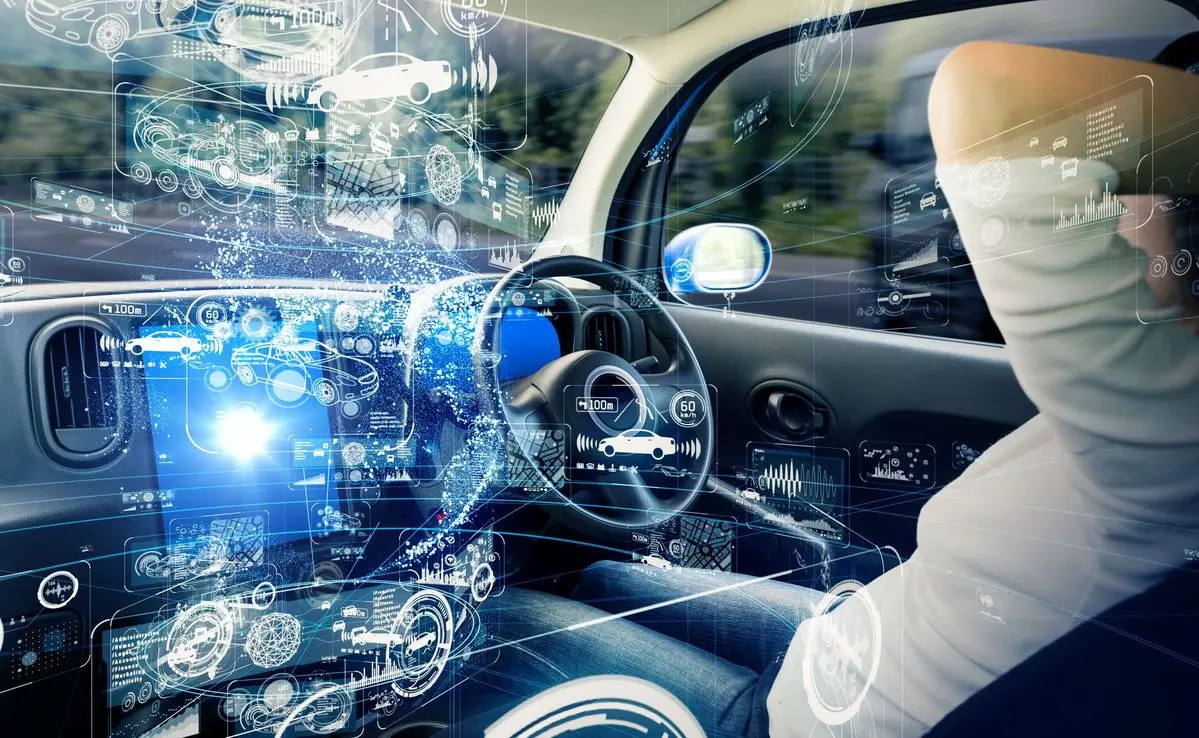
Cities around the world are growing rapidly, and with that growth comes new challenges in transportation. Traffic congestion, pollution, and long travel times are common problems faced by urban residents. This is where smart city transportation comes into play. It is a modern approach that uses technology, data, and innovation to improve how people move within cities.
Smart city transportation focuses on making travel faster, safer, and more efficient. It integrates different modes of transport such as buses, trains, bicycles, and even ride-sharing services into a single, well-managed system. By using sensors, artificial intelligence, and real-time data, cities can reduce traffic jams and improve public transportation services.
For beginners and intermediate learners, understanding smart city transportation is important because it represents the future of urban living. Governments and organizations are investing heavily in these systems to create sustainable and livable cities.
What is Smart City Transportation?
Smart city transportation refers to the use of advanced technologies and data-driven solutions to manage and improve transportation systems in urban areas. It combines digital tools with traditional transport infrastructure to create a connected and efficient network.
This system includes various components such as:
- Intelligent traffic management systems
- Real-time public transport tracking
- Smart parking solutions
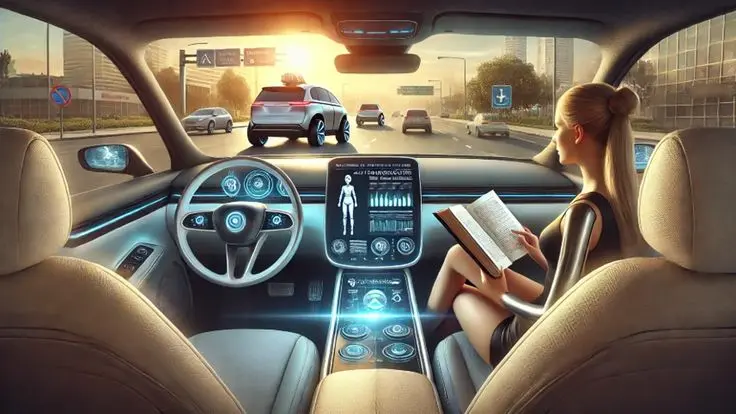
- Electric and autonomous vehicles
- Integrated ticketing systems
The goal is to make transportation more convenient, reduce environmental impact, and enhance the overall quality of life for citizens.
For example, a smart traffic signal can adjust its timing based on real-time traffic conditions. Similarly, mobile apps can provide live updates on bus or train schedules, helping commuters plan their journeys more effectively.
Why is Smart City Transportation Important?
Smart city transportation plays a crucial role in solving urban mobility challenges. As cities expand, traditional transportation systems struggle to keep up with increasing demand.
Here are some key reasons why it is important:
First, it reduces traffic congestion by optimizing traffic flow. Second, it lowers pollution levels by promoting cleaner and more efficient transport options. Third, it improves safety by using technology to monitor and manage road conditions.
Moreover, smart city transportation enhances economic productivity. When people spend less time stuck in traffic, they can focus more on work and other productive activities.
It also supports sustainable development. By encouraging the use of public transport and eco-friendly vehicles, cities can reduce their carbon footprint and protect the environment.
Detailed Step-by-Step Guide
Step 1: Assess Current Transportation System
Before implementing smart solutions, cities must evaluate their existing transportation infrastructure. This includes analyzing traffic patterns, public transport usage, and problem areas.
Step 2: Collect and Analyze Data
Data is the backbone of smart city transportation. Sensors, cameras, and GPS systems are used to collect real-time information about traffic and commuter behavior.
Step 3: Implement Smart Traffic Management
Using collected data, cities can introduce intelligent traffic systems. These systems adjust signals, monitor congestion, and provide real-time updates to drivers.
Step 4: Integrate Public Transportation
A key step is to connect buses, trains, and other modes into a unified system. This allows commuters to switch between transport options بسهولة and efficiently.
Step 5: Introduce Smart Mobility Solutions
Cities can add features like:
- Ride-sharing platforms
- Electric scooters and bikes
- Autonomous vehicle trials
These options provide flexibility and reduce dependency on private cars.
Step 6: Develop Mobile Applications
User-friendly apps help commuters access real-time information, book tickets, and plan routes. This improves the overall travel experience.
Step 7: Monitor and Improve
Smart city transportation is an ongoing process. Authorities must continuously monitor performance and make improvements based on feedback and data.
Benefits of Smart City Transportation
- Reduces traffic congestion significantly
- Improves air quality by lowering emissions
- Saves time for daily commuters
- Enhances road safety through monitoring systems
- Promotes use of public transportation
- Supports economic growth and productivity
- Provides real-time travel information
- Encourages sustainable urban development
Disadvantages / Risks
- High initial implementation cost
- Data privacy concerns
- Dependence on technology systems
- Risk of system failures or cyber attacks
- Requires skilled workforce for management
- Limited accessibility in developing regions
Common Mistakes to Avoid
One common mistake is ignoring data quality. Poor or inaccurate data can lead to ineffective decisions and system failures.
Another mistake is lack of integration. If different transport systems are not connected, the overall efficiency of smart city transportation decreases.
Many cities also underestimate maintenance requirements. Technology systems need regular updates and monitoring to function properly.
Additionally, not involving citizens in planning can lead to low adoption rates. Public awareness and participation are essential for success.
Finally, focusing only on technology and ignoring infrastructure can create imbalanced systems. Both elements must work together.
FAQs
1. What is the main goal of smart city transportation?
The main goal is to improve urban mobility by making transportation faster, safer, and more efficient using technology and data.
2. How does smart transportation reduce traffic?
It uses real-time data and intelligent systems to manage traffic flow, reduce congestion, and optimize routes.
3. Is smart city transportation expensive?
Yes, the initial setup can be costly, but it offers long-term savings through improved efficiency and reduced operational costs.
4. What technologies are used in smart transportation?
Common technologies include sensors, GPS, artificial intelligence, IoT devices, and mobile applications.
5. Can small cities implement smart transportation?
Yes, even smaller cities can adopt basic smart solutions based on their needs and budget.
6. Is smart transportation environmentally friendly?
Yes, it promotes cleaner transport options and reduces emissions, making it eco-friendly.
Expert Tips & Bonus Points
To get the most out of smart city transportation, focus on long-term planning rather than short-term fixes. This ensures sustainability and better results.
Always prioritize user experience. Systems should be simple and easy to use for the general public.
Collaboration is key. Governments, private companies, and citizens must work together to create effective solutions.
Invest in cybersecurity to protect sensitive data and prevent system breaches.
Start small and scale gradually. Pilot projects can help identify challenges before full implementation.
Lastly, stay updated with emerging technologies. Innovation is constantly evolving, and adapting to new trends can improve system performance.
Conclusion
Smart city transportation is transforming the way people move in urban areas. By combining technology, data, and innovative solutions, it addresses major challenges such as congestion, pollution, and inefficiency.
For beginners and intermediate learners, understanding this concept is essential as it represents the future of urban living. Cities that adopt smart transportation systems can provide better services, improve quality of life, and promote sustainable development.
Although there are challenges such as high costs and technical complexities, the benefits far outweigh the risks. With proper planning, integration, and continuous improvement, smart city transportation can create more efficient and livable cities.
