

Introduction
Urban mobility solutions are becoming more important as cities grow and populations increase. Traffic congestion, pollution, and long commute times are common problems in modern urban areas. People are now searching for smarter, faster, and more sustainable ways to move within cities. This is where urban mobility solutions come into play.
These solutions focus on improving transportation systems by using technology, better planning, and eco-friendly methods. From public transport improvements to ride-sharing apps and electric vehicles, urban mobility solutions are changing how people travel daily. They aim to make transportation more efficient, affordable, and environmentally friendly.
In recent years, governments and private companies have invested heavily in developing innovative mobility systems. These include smart traffic management, bike-sharing programs, and integrated transport networks. As a result, cities are slowly becoming more connected and accessible.
What is Urban Mobility Solutions?
Urban mobility solutions refer to systems, technologies, and strategies designed to improve the movement of people and goods within cities. These solutions aim to reduce traffic congestion, lower pollution levels, and enhance overall transportation efficiency.
They include a wide range of options such as public transportation, ride-sharing services, cycling infrastructure, electric vehicles, and smart traffic systems. The main goal is to provide safe, fast, and sustainable transportation options for everyone.
Urban mobility solutions are not limited to one method. Instead, they combine different modes of transport into a single, integrated system. For example, a person might use a bus, then a shared bike, and finally walk to reach their destination. This approach is known as multimodal transportation.
Technology plays a key role in these solutions. Mobile apps, GPS tracking, and data analytics help manage traffic flow and improve user experience. Cities can now monitor traffic patterns and make real-time adjustments to reduce delays.
In simple terms, urban mobility solutions are about making city travel easier, smarter, and more efficient for everyone.
Why is Urban Mobility Solutions Important?
Urban mobility solutions are essential for modern cities facing rapid growth and increasing transportation demands. Without proper systems in place, cities can become overcrowded, polluted, and inefficient.
One of the main reasons these solutions are important is traffic reduction. Heavy traffic not only wastes time but also increases stress and fuel consumption. Urban mobility solutions help manage traffic flow and reduce congestion.
Another key factor is environmental protection. Traditional vehicles produce harmful emissions that contribute to air pollution and climate change. By promoting electric vehicles, public transport, and cycling, cities can reduce their carbon footprint.
Economic growth is also linked to efficient mobility. When people and goods move quickly, businesses operate more smoothly. This leads to increased productivity and better opportunities for development.
Urban mobility solutions also improve quality of life. Shorter commute times mean more time for family, work, and relaxation. Safe and accessible transport systems make cities more inclusive for everyone, including elderly and disabled individuals.
Finally, these solutions support sustainable development. As cities continue to expand, sustainable mobility ensures that future generations can enjoy clean and efficient transportation systems.
Detailed Step-by-Step Guide
Step 1: Analyze Current Transportation Problems
The first step is to understand existing issues. Identify traffic congestion areas, public transport gaps, and pollution levels. Data collection is essential for making informed decisions.
Step 2: Set Clear Mobility Goals
Define what you want to achieve. Goals may include reducing traffic, improving public transport, or lowering emissions. Clear objectives guide the entire process.
Step 3: Promote Public Transportation
Invest in buses, trains, and metro systems. Make them reliable, affordable, and comfortable. Encourage people to switch from private vehicles to public transport.
Step 4: Introduce Smart Technology
Use traffic management systems, mobile apps, and real-time tracking. These tools help optimize routes and reduce delays.
Step 5: Encourage Non-Motorized Transport
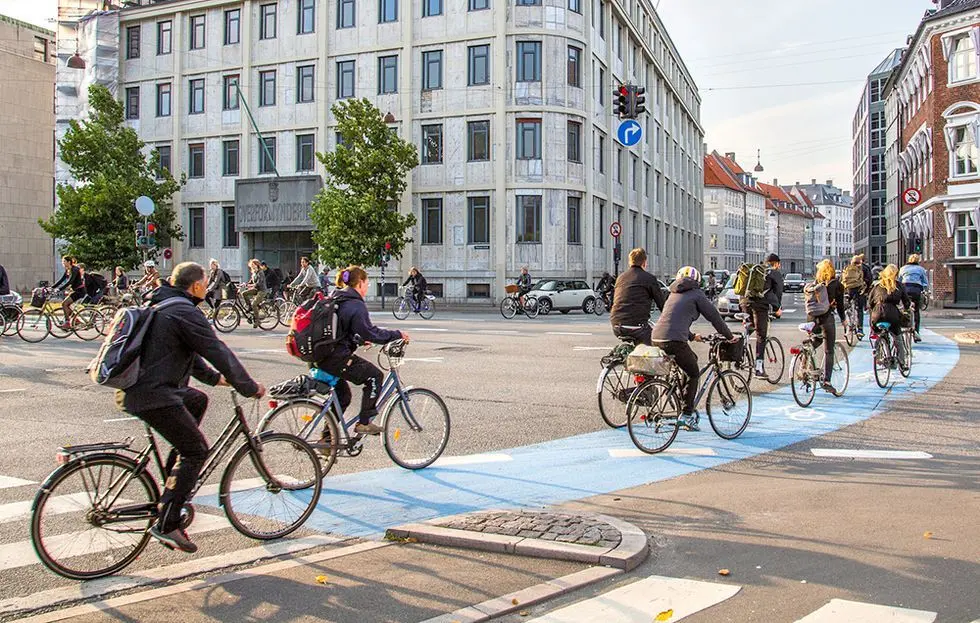
Develop cycling lanes and pedestrian-friendly pathways. Walking and cycling are eco-friendly and reduce traffic pressure.
Step 6: Support Electric Vehicles
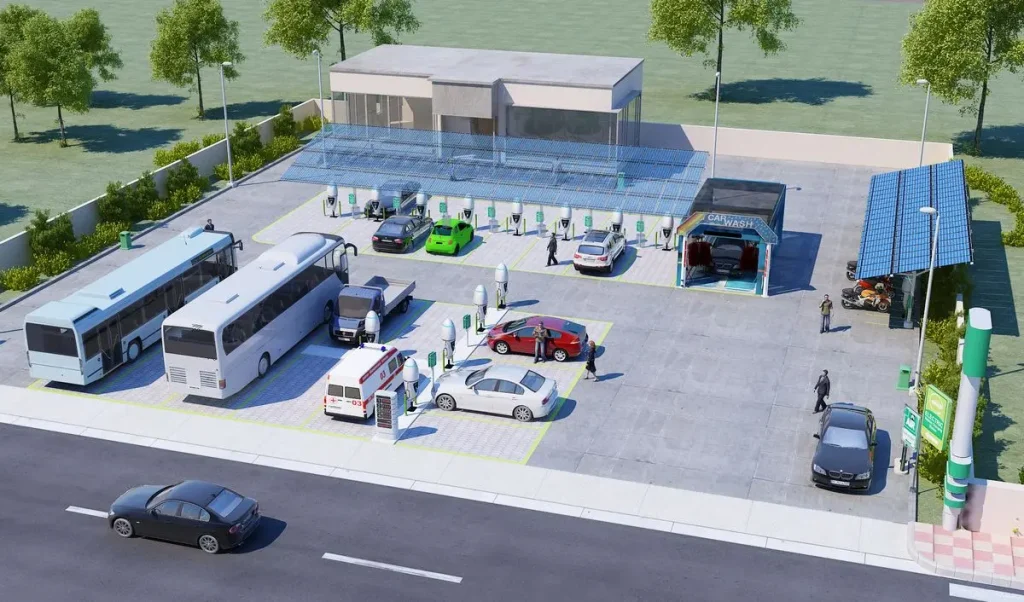
Provide charging stations and incentives for electric vehicle adoption. This reduces pollution and fuel dependency.
Step 7: Implement Ride-Sharing Services
Encourage carpooling and ride-sharing platforms. This reduces the number of vehicles on the road.
Step 8: Integrate Different Transport Modes
Create a seamless system where buses, trains, bikes, and taxis work together. This improves convenience and efficiency.
Step 9: Monitor and Improve
Regularly analyze performance and make improvements. Use data to refine strategies and ensure long-term success.
Benefits of Urban Mobility Solutions
- Reduced traffic congestion leading to faster travel times
- Lower air pollution and improved environmental health
- Cost savings for individuals and governments
- Increased efficiency in transportation systems
- Better accessibility for all groups, including disabled individuals
- Enhanced economic growth and business productivity
- Improved public health due to active transport options
- Reduced dependency on fossil fuels
- Safer roads with better traffic management
- Higher quality of life for city residents
Disadvantages / Risks
- High initial investment costs for infrastructure development
- Resistance to change from people used to traditional transport
- Technical challenges in implementing smart systems
- Maintenance and operational costs can be high
- Risk of system failures or cyber issues
- Unequal access in some areas if not properly planned
- Overcrowding in public transport if demand increases rapidly
- Dependence on technology may create vulnerabilities
Common Mistakes to Avoid
Many cities fail to implement urban mobility solutions effectively due to common mistakes. One major mistake is ignoring data. Without proper analysis, decisions may not address real problems.
Another issue is lack of integration. Focusing on one transport method without connecting others leads to inefficiency. A successful system must be interconnected.
Poor planning is also a major problem. Without clear goals and strategies, projects may fail or exceed budgets. Long-term planning is essential.
Ignoring user experience can reduce adoption rates. If public transport is uncomfortable or unreliable, people will not use it. Always prioritize convenience and safety.
Lack of public awareness is another mistake. People need to understand the benefits of urban mobility solutions to support them.
Finally, neglecting maintenance can lead to system failure. Regular updates and repairs are necessary for long-term success.
FAQs
What are urban mobility solutions?
Urban mobility solutions are systems and strategies designed to improve transportation in cities. They include public transport, electric vehicles, and smart traffic systems.
Why are urban mobility solutions important?
They reduce traffic congestion, improve air quality, and enhance overall quality of life. They also support economic growth and sustainability.
How do urban mobility solutions reduce pollution?
They promote eco-friendly transport options like electric vehicles and cycling. This reduces harmful emissions from traditional vehicles.
What is multimodal transportation?
It refers to using multiple transport modes in a single journey, such as combining buses, bikes, and walking.
Are urban mobility solutions expensive?
Initial costs can be high, but long-term benefits often outweigh the investment through savings and improved efficiency.
How can individuals support urban mobility solutions?
People can use public transport, carpool, cycle, or walk whenever possible. Supporting policies and initiatives also helps.
What role does technology play?
Technology helps manage traffic, provide real-time updates, and improve user experience through apps and smart systems.
Expert Tips & Bonus Points
To make the most of urban mobility solutions, start by understanding your daily travel needs. Choose the most efficient and sustainable option available.
Always plan your routes in advance. Use mobile apps to check traffic updates and avoid delays. This saves time and reduces stress.
Try combining different transport modes. For example, use public transport for long distances and walk for short trips. This approach is both efficient and healthy.
Stay updated with new developments in urban mobility. Cities constantly introduce new services and technologies that can improve your commute.
Encourage others to adopt sustainable transport habits. Collective efforts create a bigger impact and lead to better results.
Support government initiatives and policies aimed at improving urban mobility. Public participation is key to success.
Finally, prioritize safety at all times. Follow traffic rules and use proper safety equipment when cycling or walking.
Conclusion
Urban mobility solutions are transforming the way people move in modern cities. With increasing population and traffic challenges, these solutions provide a practical and sustainable approach to transportation. They focus on improving efficiency, reducing pollution, and enhancing overall quality of life.
By integrating public transport, smart technology, and eco-friendly options, cities can create a balanced and effective mobility system. These solutions not only benefit individuals but also contribute to economic growth and environmental protection.
Although there are challenges such as high costs and technical issues, the long-term advantages make urban mobility solutions a worthwhile investment. With proper planning, implementation, and public support, cities can overcome these obstacles.
