

Introduction
Parking lot security systems have become an essential part of modern safety planning. Whether it is a shopping mall, office building, hospital, or residential complex, parking areas are often vulnerable to theft, vandalism, and unauthorized access. As a result, businesses and property owners are investing more in reliable security solutions to protect vehicles and people.
A well-designed parking lot security system not only prevents crime but also builds trust among users. People feel safer when they know that their vehicles are being monitored and protected. In addition, security systems help in managing traffic flow, reducing accidents, and ensuring smooth operations.
For beginners, understanding parking lot security systems may seem complicated at first. However, once you break it down into simple components, it becomes much easier to grasp. From cameras and lighting to access control and monitoring software, each part plays a crucial role in the overall system.
What is Parking Lot Security Systems?
Parking lot security systems refer to a combination of technologies and strategies used to monitor, control, and protect parking areas. These systems are designed to prevent criminal activities such as theft, vandalism, and unauthorized entry.
A typical parking lot security system includes several components working together. These may include surveillance cameras, proper lighting, access control gates, alarm systems, and sometimes security personnel. Each element contributes to creating a safe and secure environment.
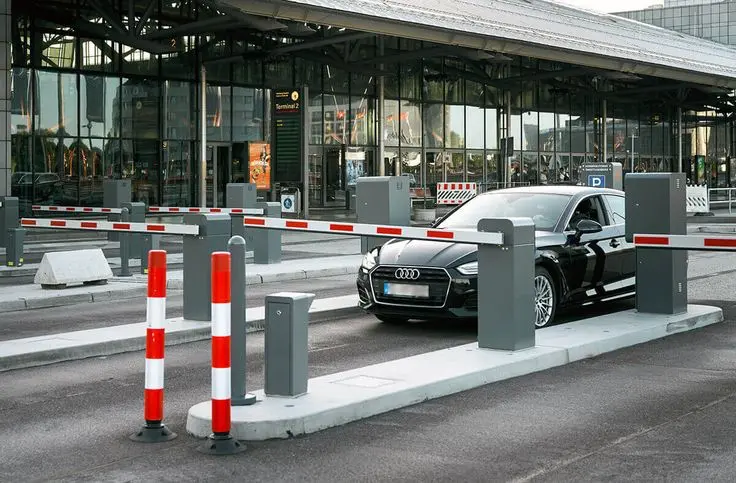
For example, CCTV cameras help in recording activities and identifying suspicious behavior. Lighting ensures visibility during nighttime, reducing the chances of hidden threats. Access control systems, such as barriers or card-based entry, restrict unauthorized access.
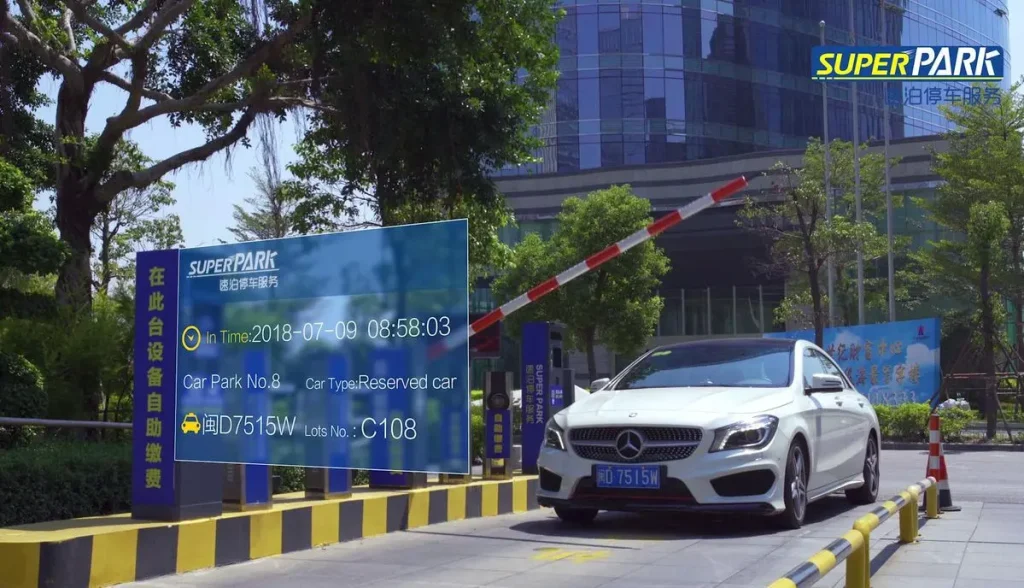
Moreover, modern systems often include smart features like motion detection, real-time alerts, and remote monitoring. These features allow property owners to keep an eye on the parking area from anywhere.
In simple terms, parking lot security systems act as a protective shield that ensures safety, control, and peace of mind for both property owners and users.
Why is Parking Lot Security Systems Important?
Parking lot security systems play a critical role in maintaining safety and order. Without proper security, parking areas can quickly become hotspots for criminal activities.
First of all, these systems help prevent vehicle theft. Cars left unattended in poorly monitored areas are easy targets for thieves. However, visible cameras and security measures act as strong deterrents.
Secondly, parking lot security systems reduce vandalism. Incidents like broken windows, scratches, and damage to vehicles are less likely to occur when surveillance is in place.
Another important reason is personal safety. Parking lots, especially at night, can be risky for individuals. Good lighting and monitoring systems ensure that people feel safe while walking to and from their vehicles.
Additionally, businesses benefit from improved reputation. Customers prefer places where they feel secure. A safe parking area can increase customer satisfaction and loyalty.
Lastly, these systems help in managing disputes. Recorded footage can be used as evidence in case of accidents or conflicts, making it easier to resolve issues.
Detailed Step-by-Step Guide
Step 1: Assess Your Parking Area
Start by analyzing the size, layout, and usage of your parking lot. Identify entry and exit points, blind spots, and high-risk areas.
Step 2: Install Surveillance Cameras
Place cameras strategically to cover all important areas. Focus on entrances, exits, and isolated spots. Ensure that there are no blind zones.
Step 3: Improve Lighting
Good lighting is essential for effective security. Install bright LED lights to cover the entire area, especially corners and pathways.
Step 4: Set Up Access Control
Use barriers, gates, or card-based systems to control who enters and exits the parking lot. This step is especially useful for private parking areas.
Step 5: Add Alarm Systems
Install alarms that trigger in case of unauthorized access or suspicious activity. These alerts can help in quick response.
Step 6: Implement Monitoring Software
Use software to monitor all security components in real time. This allows you to manage the system efficiently.
Step 7: Hire Security Personnel (Optional)
For larger parking areas, consider hiring trained security guards to enhance protection.
Step 8: Regular Maintenance
Ensure that all equipment is working properly. Regular checks help in avoiding system failures.
Benefits of Parking Lot Security Systems
- Enhances safety for vehicles and individuals
- Prevents theft and vandalism
- Improves customer confidence and satisfaction
- Provides evidence for dispute resolution
- Enables better traffic management
- Reduces liability risks for property owners
- Supports remote monitoring and control
Disadvantages / Risks
- High initial installation cost
- Requires regular maintenance
- Possible technical failures
- Privacy concerns if not managed properly
- Dependence on electricity and internet
- Risk of outdated technology over time
Common Mistakes to Avoid
One common mistake is poor camera placement. If cameras are not positioned correctly, they may miss important areas.
Another issue is ignoring lighting. Even the best cameras cannot function properly in low light conditions.
Many people also overlook regular maintenance. Faulty equipment can create security gaps.
Using outdated technology is another mistake. Modern systems offer better features and reliability.
Lastly, not training staff can reduce the effectiveness of the system. Everyone involved should understand how to use the system properly.
FAQs
1. What are parking lot security systems?
Parking lot security systems are tools and technologies used to monitor and protect parking areas from theft, vandalism, and unauthorized access.
2. Are parking lot security systems expensive?
The cost depends on the size and complexity of the system. Basic setups are affordable, while advanced systems can be more expensive.
3. Do I need cameras in my parking lot?
Yes, cameras are one of the most important components. They help in monitoring and recording activities.
4. How can I improve parking lot security on a budget?
Focus on essential elements like lighting and basic surveillance cameras. These provide significant security improvements at lower costs.
5. Can parking lot security systems prevent all crimes?
No system can guarantee complete prevention, but they significantly reduce risks and act as strong deterrents.
6. How often should I maintain the system?
Regular maintenance should be done every few months to ensure everything is working properly.
Expert Tips & Bonus Points
Always choose high-quality equipment for better performance and durability. Cheap systems may fail when you need them the most.
Consider integrating smart technology. Features like motion detection and mobile alerts can enhance security.
Place visible signs indicating surveillance. This alone can discourage potential criminals.
Keep updating your system as technology evolves. Staying current ensures maximum protection.
Work with professionals during installation. Proper setup makes a big difference in effectiveness.
Lastly, always review security footage regularly. This helps in identifying patterns and improving safety measures.
Conclusion
Parking lot security systems are no longer optional in today’s world. They are a necessity for ensuring safety, preventing crime, and maintaining order in parking areas. Whether you manage a small private lot or a large commercial space, investing in a reliable security system can make a significant difference.
Throughout this guide, we have explored what parking lot security systems are, why they are important, and how to set them up effectively. We also discussed their benefits, potential risks, and common mistakes to avoid. By following these insights, you can create a secure environment that protects both vehicles and people.
It is important to remember that security is an ongoing process. Regular maintenance, updates, and monitoring are essential to keep the system effective. Additionally, combining technology with proper planning ensures the best results.
