

Introduction
Safe parking practices are an essential part of responsible driving, yet they are often overlooked by beginners and even experienced drivers. While most people focus on driving skills, parking safety plays a major role in protecting your vehicle, preventing accidents, and ensuring the safety of others around you. Whether you are parking in a crowded market, a quiet residential street, or a large parking lot, knowing the right techniques can save you from unnecessary stress and damage.
In today’s fast-paced world, vehicles are constantly at risk of theft, scratches, and collisions, especially in poorly managed parking areas. That is why understanding safe parking practices is not just helpful but necessary. It helps you develop awareness, improve decision-making, and avoid costly mistakes.
This guide is designed for both beginners and intermediate drivers who want to improve their parking habits. You will learn what safe parking practices are, why they matter, and how to apply them in real-life situations. Additionally, we will cover common mistakes, expert tips, and frequently asked questions to give you a complete understanding.
What is Safe Parking Practices?
Safe parking practices refer to the methods and habits drivers use to park their vehicles in a secure, legal, and responsible manner. These practices are designed to minimize risks such as accidents, theft, and inconvenience to other road users.
In simple terms, safe parking practices involve choosing the right spot, positioning your vehicle correctly, and taking precautions to protect it. This includes following traffic rules, respecting parking signs, and being aware of your surroundings.
For example, parking under proper lighting at night, avoiding blocking driveways, and locking your car are all part of safe parking practices. These small actions make a big difference in ensuring safety.
Moreover, safe parking practices are not limited to cars only. They apply to motorcycles, bicycles, and even larger vehicles like trucks. The goal is always the same: to create a safe and organized environment for everyone.
Understanding these practices is the first step toward becoming a responsible driver.
Why is Safe Parking Practices Important?
Safe parking practices are important because they directly impact safety, convenience, and vehicle protection. Ignoring proper parking habits can lead to serious problems that are easily avoidable.
First, safe parking practices help prevent accidents. Incorrectly parked vehicles can cause collisions, especially in tight or busy areas. By parking properly, you reduce the risk of damaging your car or someone else’s.
Second, they improve security. Vehicles parked in unsafe or isolated areas are more likely to be stolen or vandalized. Choosing a secure location is a key part of safe parking practices.
Third, they ensure smooth traffic flow. Poor parking can block roads, create congestion, and inconvenience other drivers. Following safe parking practices helps maintain order on the roads.
Additionally, safe parking practices protect you from fines and legal issues. Parking in restricted areas or ignoring signs can result in penalties.
In short, these practices are not just about your vehicle. They contribute to a safer and more organized environment for everyone.
Detailed Step-by-Step Guide
Step 1: Choose the Right Parking Spot
Selecting the right location is the foundation of safe parking practices.
Look for well-lit, visible areas, especially at night. Avoid isolated or hidden spots where security is low. If possible, park near entrances or security cameras.
Also, check for parking signs and restrictions. Make sure the area allows parking and is suitable for your vehicle size.
Step 2: Check Your Surroundings
Before parking, observe your surroundings carefully.
Look for pedestrians, other vehicles, and obstacles. This helps you avoid accidents and ensures a smooth parking process.
Always use mirrors and, if available, parking sensors or cameras.
Step 3: Position Your Vehicle Properly
Correct positioning is a key part of safe parking practices.
Align your vehicle within the parking lines. Make sure you leave enough space for other vehicles to park and move.
Avoid parking too close to other cars to reduce the risk of scratches.
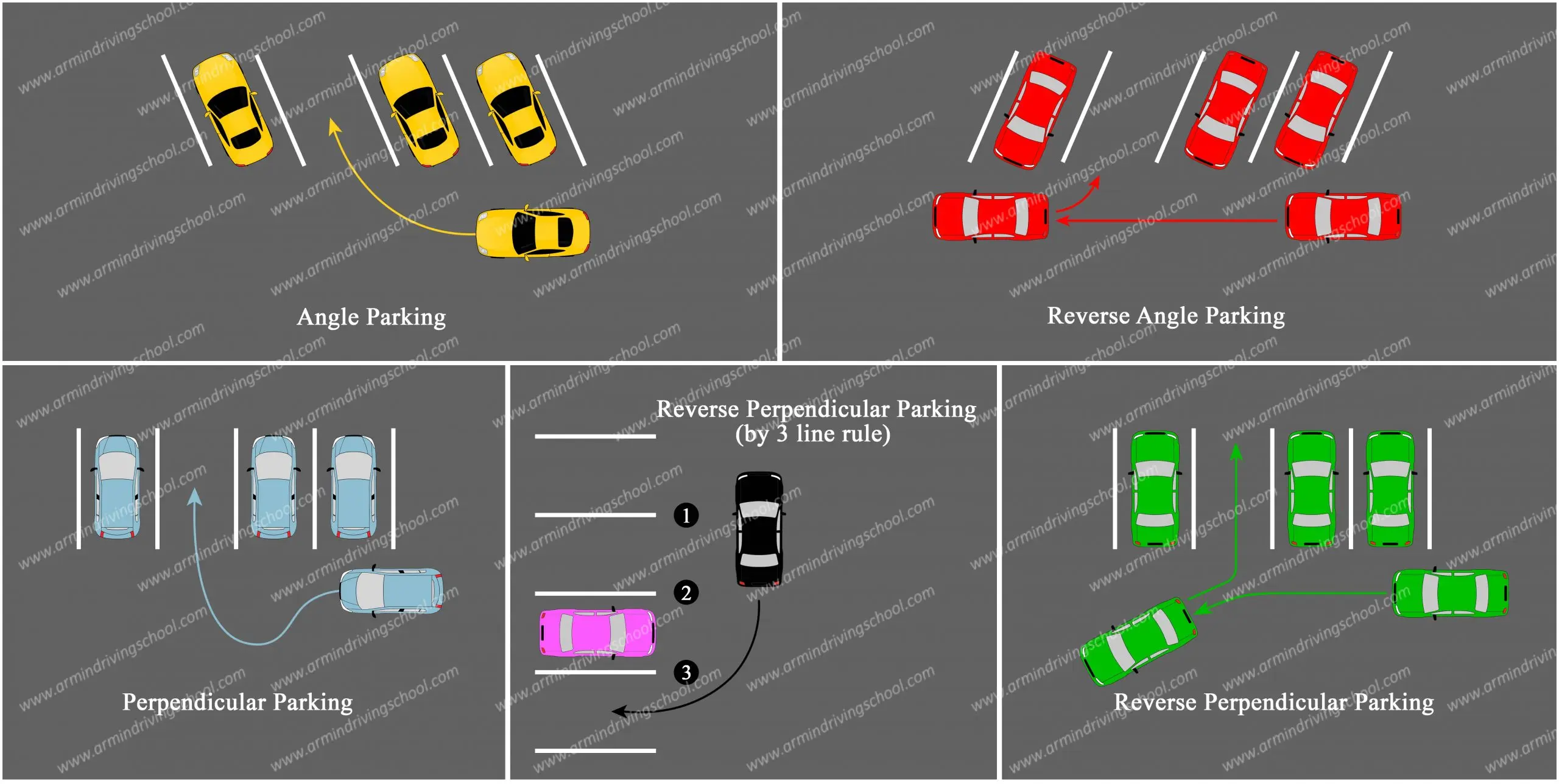
Step 4: Use Parking Techniques
Different situations require different techniques.
For parallel parking, align your car with the vehicle in front and carefully reverse into the space.
For angle parking, enter the spot slowly and straighten your wheels.
Practice these techniques regularly to improve accuracy.
Step 5: Secure Your Vehicle
Once parked, always secure your car.
Turn off the engine, lock the doors, and close all windows. Do not leave valuables visible inside the vehicle.
Using additional security devices can further enhance safety.
Step 6: Follow Local Rules
Every area has specific parking rules.
Respect no-parking zones, fire lanes, and reserved spaces. Ignoring these rules can lead to fines or towing.
Safe parking practices always include following local regulations.
Step 7: Exit Safely
After parking, exit your vehicle carefully.
Check for traffic before opening the door. This prevents accidents and ensures your safety.
Benefits of Safe Parking Practices
- Reduces the risk of accidents and collisions
- Protects your vehicle from theft and damage
- Saves money on repairs and fines
- Improves traffic flow and reduces congestion
- Enhances personal safety
- Builds confidence in driving skills
- Creates a more organized parking environment
Disadvantages / Risks
- Requires time and attention, especially in busy areas
- Can be challenging for beginners
- Limited parking spaces may make it difficult to follow best practices
- Overconfidence may lead to careless mistakes
- Poor lighting or crowded conditions can still pose risks
Common Mistakes to Avoid
Many drivers ignore basic safe parking practices, which leads to problems.
One common mistake is parking in restricted areas. Always check signs before leaving your vehicle.
Another mistake is not aligning the car properly. Crooked parking can block other vehicles and cause inconvenience.
Leaving valuables visible inside the car is also risky. It attracts thieves and increases the chance of break-ins.
Some drivers forget to lock their vehicles, especially during short stops. This is a major security risk.
Rushing while parking is another issue. Take your time to ensure accuracy and safety.
Avoiding these mistakes will help you follow safe parking practices more effectively.
FAQs
1. What are safe parking practices?
Safe parking practices are methods used to park vehicles securely and responsibly. They include choosing the right spot, positioning the car correctly, and following rules.
2. Why should I follow safe parking practices?
They help prevent accidents, protect your vehicle, and ensure safety for others. They also reduce the risk of fines and legal issues.
3. How can I improve my parking skills?
Practice regularly in different environments. Use mirrors, sensors, and learn proper techniques like parallel parking.
4. Is it safe to park in dark areas?
No, it is better to park in well-lit and visible areas. This reduces the risk of theft and increases safety.
5. What should I do after parking my car?
Turn off the engine, lock all doors, close windows, and check your surroundings before leaving.
6. Can poor parking cause accidents?
Yes, improper parking can block roads and lead to collisions. Following safe parking practices helps prevent such situations.
Expert Tips & Bonus Points
Always park in reverse when possible. It makes exiting easier and safer.
Use technology like parking sensors and cameras to improve accuracy.
Avoid distractions while parking. Focus completely on the task.
Keep a safe distance from other vehicles to prevent damage.
If you feel unsure, take extra time or find another spot.
Practice in empty parking areas to build confidence.
Make safe parking practices a habit rather than an occasional effort.
Conclusion
Safe parking practices are a vital part of everyday driving that should never be ignored. They not only protect your vehicle but also ensure the safety of people around you. By following simple steps like choosing the right spot, checking surroundings, and securing your vehicle, you can avoid many common problems.
Although it may seem like a small part of driving, parking requires attention, patience, and awareness. Developing good habits takes time, but the benefits are long-lasting. From preventing accidents to saving money, safe parking practices play a significant role in your overall driving experience.
Beginners may find it challenging at first, but with regular practice, it becomes easier. Intermediate drivers can further improve their skills by applying advanced techniques and staying alert in different situations.
