

Introduction
Parking area surveillance has become an essential part of modern safety systems. Whether it is a shopping mall, office building, residential complex, or public parking space, keeping vehicles and people secure is a top priority. With the rise in theft, vandalism, and unauthorized access, having a proper surveillance system is no longer optional but necessary.
In simple terms, parking area surveillance involves using cameras, sensors, and monitoring tools to observe and protect parking spaces. It helps property owners track activities, prevent crimes, and ensure peace of mind for users. Moreover, it also improves overall management by providing real-time insights and recorded footage.
For beginners and intermediate users, understanding how parking area surveillance works can feel overwhelming. However, with the right guidance, it becomes much easier to plan, install, and maintain an effective system. From choosing the right cameras to placing them strategically, every step plays a vital role in ensuring maximum security.
What is Parking Area Surveillance?
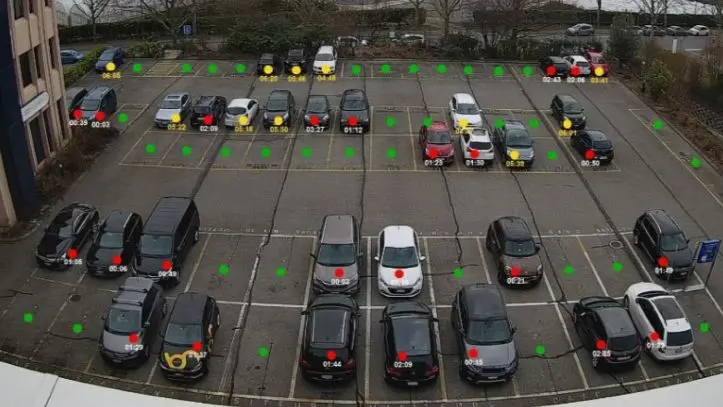
Parking area surveillance refers to the use of security technologies to monitor parking spaces and surrounding areas. It mainly includes CCTV cameras, motion detectors, access control systems, and recording devices that work together to provide continuous monitoring.
The primary goal of parking area surveillance is to detect suspicious activities and prevent incidents before they occur. For example, cameras can capture footage of unauthorized entry, vehicle damage, or theft attempts. This recorded data can later be used for investigation and evidence.
In addition, modern surveillance systems often come with advanced features such as night vision, motion alerts, remote access, and cloud storage. These features make it easier to manage and monitor parking areas from anywhere.
Parking area surveillance is used in many places, including:
- Residential buildings
- Commercial offices
- Shopping centers
- Airports and transport hubs
- Public parking lots
Why is Parking Area Surveillance Important?
Parking area surveillance plays a critical role in maintaining safety and security. Without proper monitoring, parking spaces can become easy targets for criminal activities.
Firstly, it helps prevent theft and vandalism. Visible cameras act as a strong deterrent, making criminals think twice before committing any wrongdoing. Secondly, it ensures the safety of people using the parking area, especially during nighttime or in isolated locations.
Another important reason is accountability. If any incident occurs, surveillance footage provides clear evidence of what happened. This is useful for both law enforcement and insurance claims.
Additionally, parking area surveillance improves traffic management. It helps track vehicle movement, identify congestion, and ensure smooth entry and exit.
Businesses also benefit from improved customer trust. When people feel safe parking their vehicles, they are more likely to visit and return.
Detailed Step-by-Step Guide
Step 1: Assess Your Parking Area
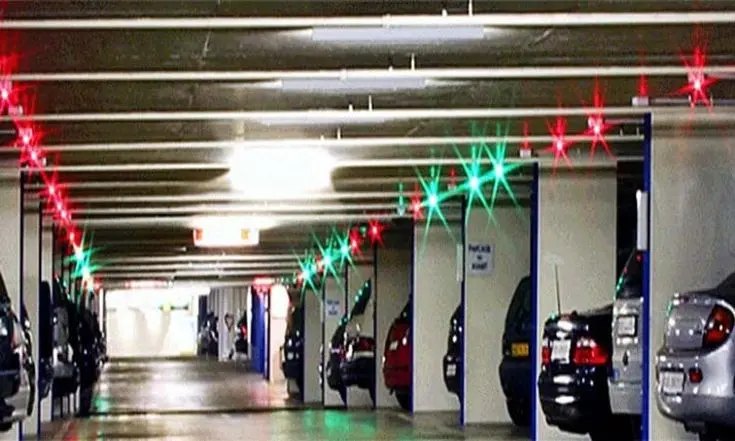
Start by analyzing the size, layout, and entry points of your parking area. Identify high-risk zones such as dark corners, entrances, and exits.
This step helps you understand how many cameras you need and where to place them.
Step 2: Choose the Right Equipment
Select high-quality cameras with features like:
- HD or 4K resolution
- Night vision
- Wide-angle coverage
- Motion detection
Also, consider using DVR or NVR systems for recording footage.
Step 3: Plan Camera Placement
Proper placement is crucial for effective parking area surveillance. Install cameras at:
- Entry and exit points
- Payment areas
- Blind spots
- Corners and walls
Ensure there are no gaps in coverage.
Step 4: Install Lighting
Good lighting enhances camera performance. Even the best cameras struggle in complete darkness.
Install LED lights to improve visibility and reduce shadows.
Step 5: Set Up Monitoring System
Connect your cameras to a monitoring system. This can be:
- On-site monitoring room
- Remote mobile access
- Cloud-based system
Make sure the system is easy to use and accessible.
Step 6: Test the System
After installation, test all cameras and features. Check video quality, angles, and recording functions.
Fix any issues before finalizing the setup.
Step 7: Maintain Regularly
Regular maintenance ensures long-term performance. Clean cameras, update software, and check storage systems periodically.
Benefits of Parking Area Surveillance
- Improves overall safety and security
- Reduces theft and vandalism
- Provides reliable evidence in case of incidents
- Enhances customer confidence
- Supports better parking management
- Enables remote monitoring
- Helps in quick response to emergencies
Disadvantages / Risks
- High initial installation cost
- Requires regular maintenance
- Privacy concerns if not managed properly
- Technical issues may occur
- Dependence on electricity and internet
Common Mistakes to Avoid
One common mistake is poor camera placement. Installing cameras without proper planning can leave blind spots and reduce effectiveness.
Another mistake is choosing low-quality equipment. Cheap cameras may save money initially but often fail when needed the most.
Ignoring lighting conditions is also a problem. Without proper lighting, footage quality becomes poor, especially at night.
Some people also forget regular maintenance. Dust, weather, and technical issues can affect performance over time.
Lastly, not securing the system can lead to hacking or unauthorized access. Always use strong passwords and updated software.
FAQs
1. What is the best camera for parking area surveillance?
The best camera depends on your needs. Generally, high-resolution cameras with night vision and wide-angle lenses are ideal.
2. How many cameras are needed for a parking area?
It depends on the size and layout. Larger areas require more cameras to ensure full coverage.
3. Can I monitor my parking area remotely?
Yes, most modern systems allow remote access through mobile apps or cloud platforms.
4. Is parking area surveillance legal?
Yes, but you must follow local laws and respect privacy regulations.
5. How long should footage be stored?
This depends on your needs. Many systems store footage for 15 to 30 days.
6. Does lighting affect surveillance quality?
Yes, proper lighting significantly improves video clarity and accuracy.
Expert Tips & Bonus Points
Always invest in high-quality equipment. It may cost more initially, but it provides better performance and durability.
Use a combination of visible and hidden cameras. Visible cameras deter criminals, while hidden ones capture unnoticed activities.
Install backup power systems to ensure continuous operation during outages.
Regularly review recorded footage to identify patterns or suspicious behavior.
Train staff or users on how to use the system effectively. This improves response time during emergencies.
Consider integrating your surveillance system with alarms and access control for better security.
Conclusion
Parking area surveillance is a powerful tool for ensuring safety and security in both residential and commercial spaces. As technology continues to evolve, surveillance systems have become more advanced, affordable, and user-friendly. This makes it easier for anyone to implement a reliable security solution.
By understanding the basics of parking area surveillance, you can make informed decisions about equipment, placement, and maintenance. A well-planned system not only protects vehicles but also enhances the overall experience for users. It creates a sense of safety and trust, which is especially important in busy or high-risk areas.
While there are some challenges such as cost and maintenance, the benefits far outweigh the drawbacks. With proper planning and regular upkeep, you can ensure your system works efficiently for years.
