

Introduction
An app-based parking system is a digital solution designed to help drivers find, reserve, and pay for parking spaces using a mobile application. As cities become more crowded and traffic congestion increases, traditional parking methods are no longer efficient.
Drivers often spend a significant amount of time searching for parking, which leads to fuel waste, pollution, and frustration. App-based parking systems solve these problems by connecting users with available parking spaces in real time through GPS and smart technology.
This technology is becoming a core part of smart city development, making urban transportation smoother, faster, and more organized.
1. What is an App-Based Parking System?
An app-based parking system is a smart digital platform that allows users to manage parking through a mobile application. It integrates real-time data, sensors, and cloud computing to show available parking spaces nearby.
Instead of driving around looking for a spot, users can simply open an app, view available spaces, and reserve one instantly. Many systems also allow digital payments, time tracking, and automated billing.
These systems are commonly used in shopping malls, airports, business districts, and smart cities.
2. How Does an App-Based Parking System Work?
The working process of an app-based parking system is simple but highly advanced behind the scenes.
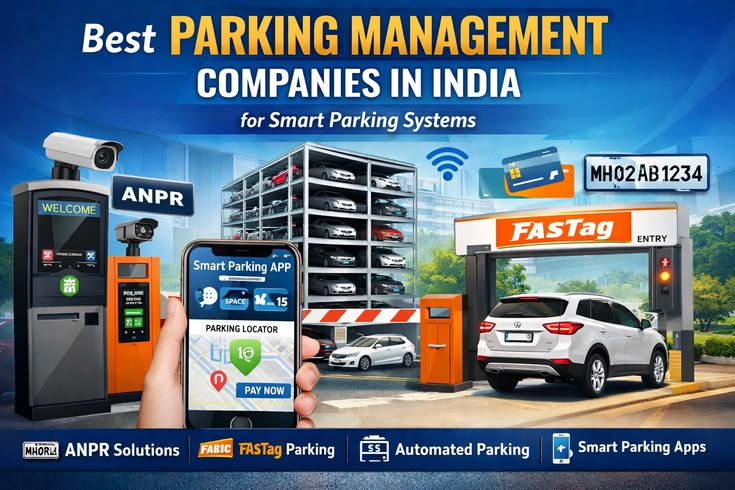
First, parking spaces are equipped with sensors or connected cameras that detect whether a spot is occupied or empty. This data is sent to a central server in real time. The mobile application then displays this information to users.
When a driver opens the app, it uses GPS to locate nearby parking options. The user can select a parking space, reserve it, and even make payment through digital wallets or credit cards.
When the vehicle arrives at the parking area, the system automatically verifies the booking and allows entry through QR codes, number plate recognition, or digital passes.
3. Key Features of App-Based Parking Systems
App-based parking systems come with several advanced features that make parking easier and more efficient:
Real-time availability tracking helps users see open parking spaces instantly. GPS navigation guides drivers directly to the selected parking spot. Digital payment systems eliminate the need for cash transactions. Reservation options allow users to book parking in advance. Automated entry and exit systems improve security and reduce waiting time. Some apps also provide pricing comparisons, helping users choose affordable parking options.
These features make the entire parking process smooth and user-friendly.
4. Benefits of App-Based Parking Systems

There are many benefits of using app-based parking systems for both users and city authorities.
One of the biggest benefits is time saving. Drivers no longer need to search for parking manually. It also reduces traffic congestion because fewer vehicles are circling around looking for space. Fuel consumption is reduced, which helps lower environmental pollution.
For parking owners, it increases efficiency and revenue by maximizing space usage. Digital tracking also improves security and reduces the risk of unauthorized parking.
Cities benefit from better traffic management and smarter urban planning through collected data analytics.
5. Challenges and Limitations
Although app-based parking systems are highly effective, they also face some challenges.
One major issue is the initial installation cost of sensors and infrastructure. In some areas, internet connectivity problems can affect system performance. Not all users are comfortable using mobile apps, especially older drivers.
Another challenge is system accuracy. If sensors fail or data is not updated in real time, users may receive incorrect information about parking availability.
Despite these limitations, continuous technological improvements are making these systems more reliable.
6. Future of App-Based Parking Systems
The future of app-based parking systems is closely connected to smart cities and artificial intelligence. In the coming years, these systems will become more automated and intelligent.
Artificial intelligence will help predict parking availability based on traffic patterns and time of day. Integration with self-driving cars will allow vehicles to park themselves automatically. Blockchain technology may also be used for secure and transparent payments.
Electric vehicle charging stations will also be integrated into parking systems, making them more sustainable and eco-friendly.
As urban populations continue to grow, app-based parking systems will become a standard part of modern transportation infrastructure.
Frequently Asked Questions (FAQs)
What is an app-based parking system?
An app-based parking system is a digital solution that helps users find, reserve, and pay for parking spaces using a mobile app in real time.
How does a parking app find available spaces?
It uses sensors, cameras, and GPS technology to detect empty parking spots and update the information in real time on the app.
Is an app-based parking system expensive to use?
No, it is usually affordable. Users often pay only for the time they park, and sometimes it is even cheaper than traditional parking.
Can I reserve parking in advance?
Yes, many app-based parking systems allow users to book parking spaces before reaching their destination.
Are app-based parking systems secure?
Yes, they are generally secure because they use digital verification methods like QR codes, license plate recognition, and encrypted payments.
