

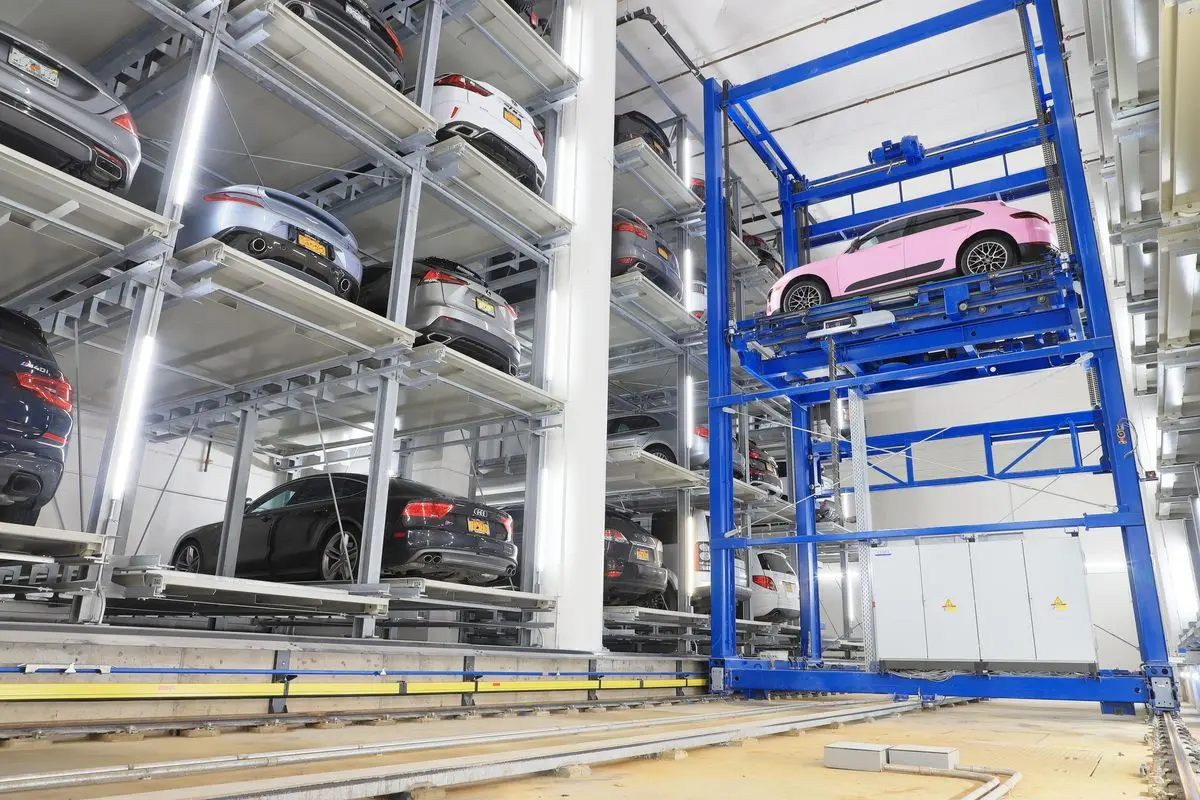
Introduction to Digital Parking Solutions
Digital parking solutions are transforming the way cities, businesses, and drivers manage parking spaces. With increasing urbanization and rising vehicle ownership, traditional parking systems are no longer efficient. Drivers often waste time searching for available spots, which leads to traffic congestion, fuel wastage, and frustration.
Digital parking solutions use smart technologies such as sensors, mobile apps, cloud computing, and automation systems to make parking faster, easier, and more organized. These systems provide real-time information about available parking spaces and allow users to reserve or pay for parking digitally. As smart cities continue to grow, digital parking solutions are becoming an essential part of modern infrastructure.
1. What Are Digital Parking Solutions?
Digital parking solutions refer to technology-based systems designed to manage parking spaces efficiently. Instead of relying on manual ticketing or physical monitoring, these systems use software and hardware integration.
They typically include:
- Smart parking sensors installed in parking spaces
- Mobile applications for drivers
- Cloud-based management platforms
- Automated payment systems
The main goal is to reduce human effort and improve accuracy in parking management. These systems are widely used in shopping malls, airports, hospitals, smart cities, and corporate buildings.
2. How Digital Parking Systems Work
Digital parking systems operate using a combination of hardware and software technologies. Parking sensors detect whether a space is occupied or empty. This data is sent to a central system through wireless networks.
Drivers can access this information in real time using mobile apps or digital boards placed in parking areas. Some advanced systems also allow drivers to reserve parking spaces in advance.
The process usually works like this:
- Sensors detect parking space status
- Data is sent to a cloud system
- Information is displayed on apps or screens
- Users find and navigate to available spots
- Digital payment is processed automatically
This seamless process saves time and reduces traffic congestion significantly.
3. Key Features of Digital Parking Solutions

Digital parking systems come with a variety of advanced features that improve the overall user experience.
Real-Time Availability
Users can instantly see which parking spots are free, reducing search time.
Automated Payments
Digital wallets, credit cards, and mobile payments make transactions quick and cashless.
Reservation System
Some platforms allow users to book parking spaces in advance.
License Plate Recognition
Advanced systems use cameras to automatically identify vehicles for entry and exit.
Smart Navigation
Mobile apps guide drivers directly to available parking spots using GPS technology.
These features make parking more organized, efficient, and user-friendly.
4. Benefits of Digital Parking Solutions
Digital parking solutions offer multiple advantages for both drivers and city administrators.
Reduced Traffic Congestion
Less time spent searching for parking means smoother traffic flow in busy areas.
Time Efficiency
Drivers can quickly find parking spaces without unnecessary delays.
Environmental Benefits
Reduced fuel consumption leads to lower carbon emissions.
Better Space Utilization
Parking spaces are managed more efficiently, maximizing capacity usage.
Increased Revenue
Businesses and parking operators can generate more income through automated billing systems.
Improved User Experience
Drivers enjoy a stress-free parking process with clear guidance and digital convenience.
5. Challenges in Implementing Digital Parking Systems
Although digital parking solutions offer many benefits, there are still some challenges in their implementation.
High Initial Cost
Installing sensors, cameras, and software systems requires significant investment.
Technical Issues
System errors or network failures can temporarily disrupt services.
Data Security Concerns
Since systems store user data, cybersecurity becomes a major concern.
Infrastructure Requirements
Older cities may require upgrades to support smart parking systems.
User Adaptation
Some users may take time to adapt to digital parking technologies.
Despite these challenges, continuous innovation is making these systems more affordable and reliable.
Future of Digital Parking Solutions
The future of digital parking solutions is closely connected with smart city development and artificial intelligence. In the coming years, we can expect fully automated parking systems that require minimal human involvement.
Technologies like AI, IoT (Internet of Things), and machine learning will further enhance parking efficiency. Autonomous vehicles may even park themselves using smart infrastructure.
Cities will increasingly adopt integrated parking networks where all parking data is connected in real time. This will create a smoother, faster, and more intelligent transportation system.
FAQs
What are digital parking solutions?
Digital parking solutions are technology-based systems that help manage parking spaces using sensors, apps, and automation for better efficiency.
How do digital parking systems reduce traffic?
They reduce traffic by helping drivers quickly find available parking spaces, minimizing the time spent searching.
Are digital parking systems expensive?
Initial setup can be costly, but long-term benefits like efficiency and revenue generation make them cost-effective.
Where are digital parking solutions used?
They are used in malls, airports, hospitals, corporate buildings, and smart city infrastructure.
What is the future of digital parking technology?
The future includes AI-driven automation, smart sensors, and fully integrated smart city parking networks.
