

Introduction
Intelligent parking systems are transforming the way vehicles are managed in modern cities. With increasing urbanization, the demand for parking spaces has grown rapidly, leading to traffic congestion, wasted fuel, and frustration for drivers. Traditional parking methods are no longer efficient in handling this rising demand.
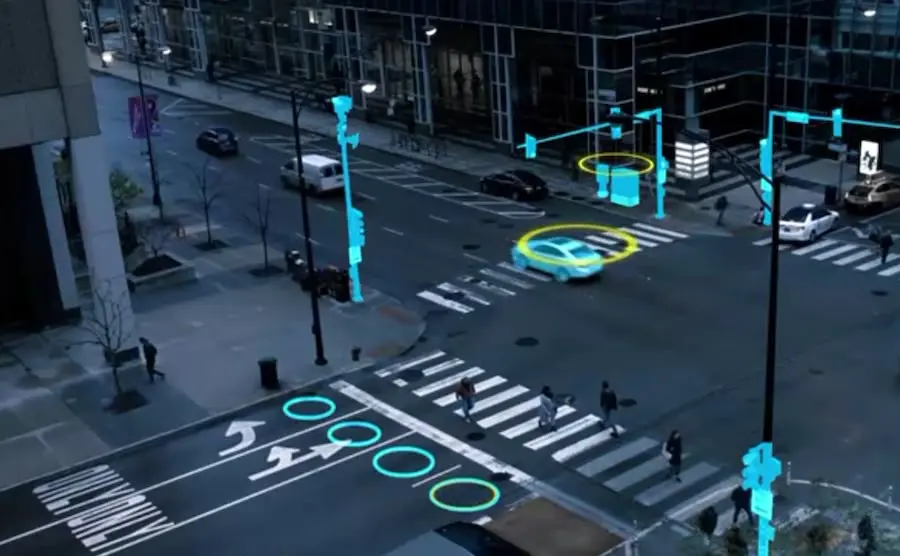
An intelligent parking system uses advanced technologies such as sensors, cameras, IoT devices, artificial intelligence, and mobile applications to streamline parking management. These systems help drivers find available parking spots quickly, reduce traffic congestion, improve space utilization, and enhance overall urban mobility.
In this article, we will explore what intelligent parking systems are, how they work, their key components, benefits, types, challenges, and future trends.
1. What is an Intelligent Parking System?
An intelligent parking system is a smart technological solution designed to automate and optimize parking space management. It provides real-time information about available parking spots and guides drivers to the nearest free space.
These systems integrate hardware and software technologies to reduce human effort and improve efficiency. They are widely used in smart cities, shopping malls, airports, corporate buildings, and residential complexes.
Unlike traditional parking systems where drivers manually search for spaces, intelligent systems use data-driven solutions to make parking faster and more organized.
2. How Intelligent Parking Systems Work
Intelligent parking systems operate using a combination of sensors, communication networks, and data processing systems.
Step 1: Data Collection
Sensors installed in parking slots detect whether a space is occupied or available. These sensors can be ultrasonic, infrared, or magnetic.
Step 2: Data Transmission
The collected data is sent to a central cloud system or server through IoT connectivity.
Step 3: Data Processing
The system processes real-time data and updates the availability status of parking spaces.
Step 4: User Access
Drivers access this information through mobile apps, digital displays, or navigation systems.
Step 5: Guidance System
The system guides drivers to the nearest available parking spot, reducing search time and traffic congestion.
3. Key Components of Intelligent Parking Systems

An intelligent parking system consists of several important components that work together to ensure smooth operation.
Sensors
Sensors detect vehicle presence in parking slots. They are the core hardware component of the system.
Cameras
CCTV and AI-powered cameras monitor parking areas for security and occupancy detection.
IoT Connectivity
Internet of Things (IoT) connects all devices and ensures real-time data transfer.
Cloud Computing
Cloud platforms store and analyze large amounts of parking data efficiently.
Mobile Applications
Apps allow users to check availability, reserve parking spaces, and make payments.
Payment Systems
Automated payment gateways enable cashless and contactless transactions.
4. Benefits of Intelligent Parking Systems
Intelligent parking systems provide numerous benefits for cities, drivers, and businesses.
Reduced Traffic Congestion
Drivers no longer need to circle around looking for parking, reducing road congestion.
Time Saving
Real-time updates help drivers quickly find available spaces.
Fuel Efficiency
Less driving around means reduced fuel consumption and lower emissions.
Improved Security
Surveillance cameras and monitoring systems enhance safety in parking areas.
Better Space Utilization
Parking spaces are used more efficiently, maximizing capacity.
Cashless Transactions
Automated payment systems make the process smooth and convenient.
Environmental Benefits
Reduced traffic and emissions contribute to a cleaner environment.
5. Types of Intelligent Parking Systems
There are different types of intelligent parking systems depending on technology and use cases.
1. Sensor-Based Parking Systems
These systems use ground sensors to detect vehicle presence in each parking spot.
2. Camera-Based Systems
AI-powered cameras monitor parking spaces and provide real-time data.
3. Automated Parking Systems (APS)
These systems use mechanical systems to automatically park and retrieve vehicles.
4. Smart Parking Apps
Mobile applications help users locate and reserve parking spots in advance.
5. Parking Guidance Systems
These systems guide drivers using digital signs and indicators.
6. Challenges of Intelligent Parking Systems
Despite their benefits, intelligent parking systems face several challenges.
High Installation Cost
Initial setup of sensors, cameras, and software can be expensive.
Maintenance Issues
Regular maintenance is required to ensure accurate performance.
Technical Failures
System errors or network issues can affect real-time data accuracy.
Privacy Concerns
Use of cameras and data tracking may raise privacy issues.
Infrastructure Limitations
Older cities may lack the infrastructure needed for full implementation.
7. Applications of Intelligent Parking Systems
Intelligent parking systems are widely used in various sectors.
Smart Cities
Used to improve urban mobility and reduce traffic congestion.
Airports
Help manage large-scale parking efficiently.
Shopping Malls
Provide customers with easy parking access.
Corporate Buildings
Improve employee and visitor parking management.
Residential Complexes
Offer secure and organized parking solutions for residents.
8. Future of Intelligent Parking Systems
The future of intelligent parking systems is highly promising as technology continues to evolve.
AI Integration
Artificial intelligence will improve prediction and automation in parking management.
Autonomous Vehicles
Self-driving cars will rely heavily on smart parking systems.
Blockchain Payments
Secure and transparent payment systems may use blockchain technology.
Smart City Integration
Parking systems will be fully integrated into smart city ecosystems.
Eco-Friendly Solutions
Future systems will focus on reducing emissions and promoting sustainability.
9. Why Intelligent Parking Systems Are Important
With growing urban populations, cities are facing severe parking shortages and traffic issues. Intelligent parking systems provide a smart solution to these problems by optimizing space usage and improving traffic flow.
They not only make life easier for drivers but also contribute to building smarter, safer, and more sustainable cities.
FAQs
What is an intelligent parking system?
An intelligent parking system is a technology-based solution that helps drivers find available parking spaces using sensors, IoT, and real-time data.
How do intelligent parking systems reduce traffic?
They reduce traffic by guiding drivers directly to available parking spots, eliminating the need to circle around in search of space.
Are intelligent parking systems expensive?
Yes, initial installation can be costly, but long-term benefits like efficiency and reduced congestion make them cost-effective.
Where are intelligent parking systems used?
They are used in smart cities, malls, airports, corporate buildings, and residential areas.
What technologies are used in intelligent parking systems?
They use sensors, cameras, IoT, AI, cloud computing, and mobile applications.
